
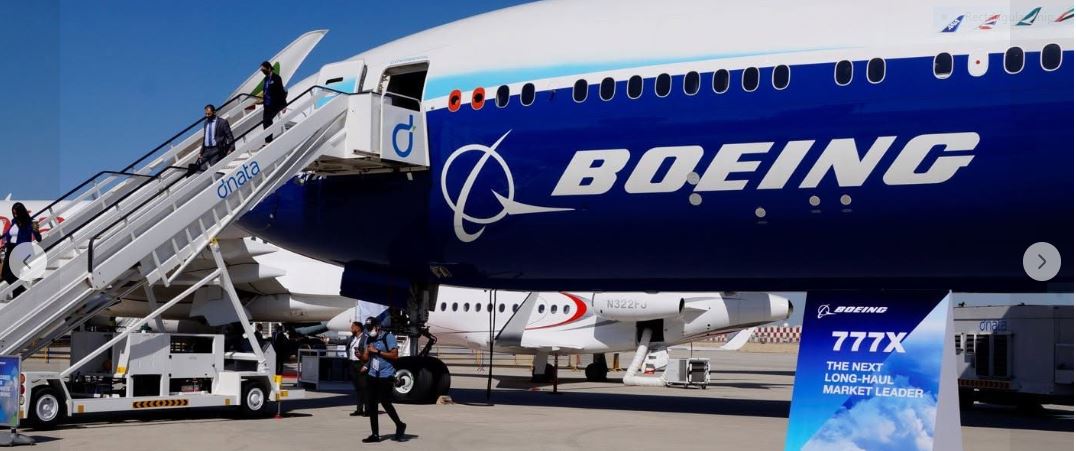
FARNBOROUGH, England – Boeing projects the global commercial fleet will exceed 50,000 airplanes by 2045 as passenger traffic doubles over the next 20 years, according to the company’s 2026 Commercial Market Outlook released late Thursday ahead of next week’s opening of the Farnborough International Airshow.
Boeing projects airlines will take delivery of nearly 44,000 new airplanes through 2045 to support fleet growth and replace older aircraft. About half of those deliveries are expected to replace previous-generation airplanes with more fuel-efficient models.
The company projects the global commercial aviation support and services market will total $4.9 trillion over the next 20 years.
Boeing also expects the industry will need more than 2.4 million new aviation personnel through 2045, including 674,000 pilots, 728,000 maintenance technicians and 1.02 million cabin crew members. It said about two-thirds of that workforce demand will replace retiring employees, while the remainder will support fleet growth.
The company said near-term disruptions are not expected to alter long-term aviation growth, with passenger traffic projected to increase about 4% annually between 2026 and 2045. Boeing said demand will be supported by tourism, business travel, expanding air networks and growth in emerging markets.
The projected airplane deliveries include about 33,500 single-aisle jets, 7,700 widebody aircraft, 1,400 regional airplanes and 930 freighters. Boeing said single-aisle fleets are expected to account for much of the growth, with the global fleet nearly doubling by 2045.
Boeing said airlines have added nearly 5,500 airport connections since 2015, contributing to network expansion and increased point-to-point travel. The company also said air cargo demand is expected to grow about 3.7% annually through 2045, supported by demand for time-sensitive goods, supply chain needs and cross-border commerce.
The five-day Farnborough International Airshow opens Monday. Boeing and other aircraft manufactures will showcase their products at the event.


 CHICAGO —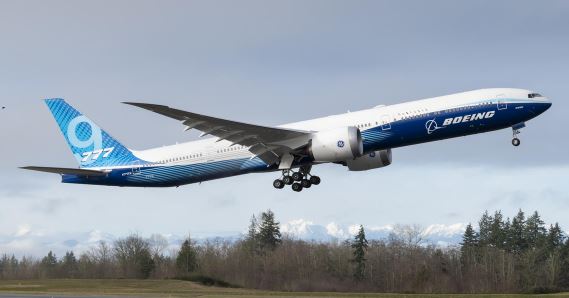
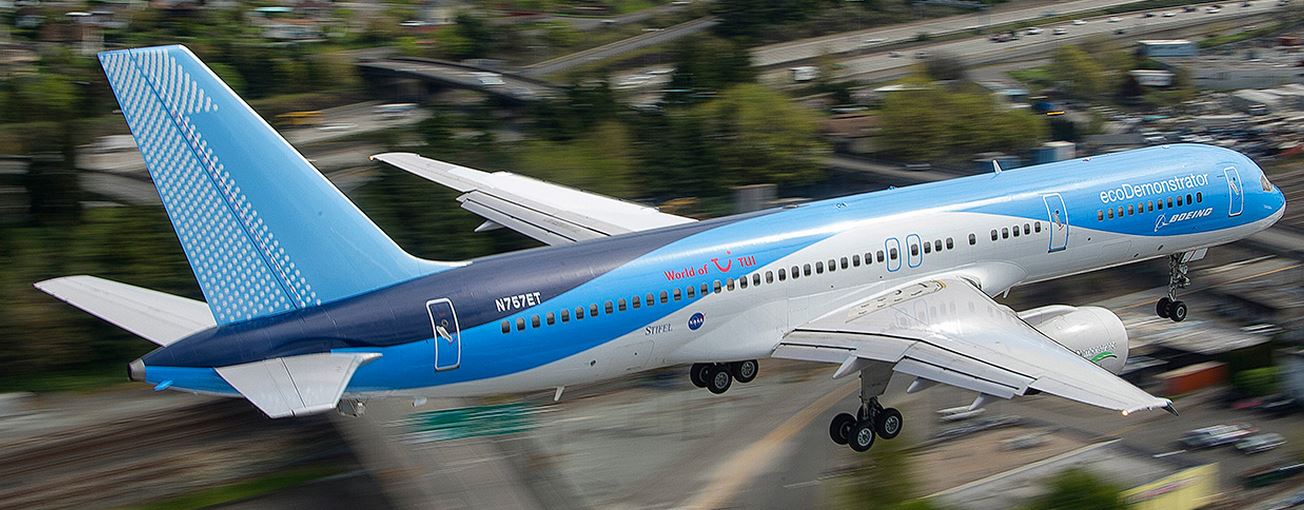
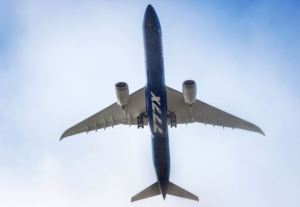 The aircraft took off in front of thousands at Paine Field in Everett, Wash., at 10:09 a.m. local time for a three-hour, 51-minute flight over Washington state before landing at Seattle’s Boeing Field, the company said.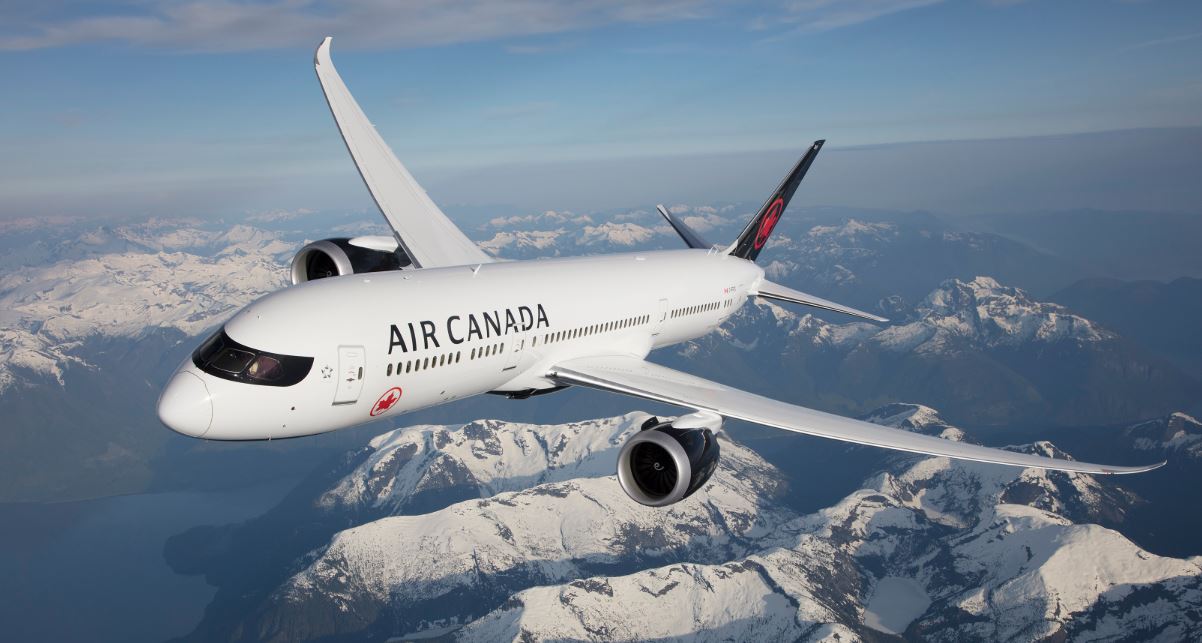


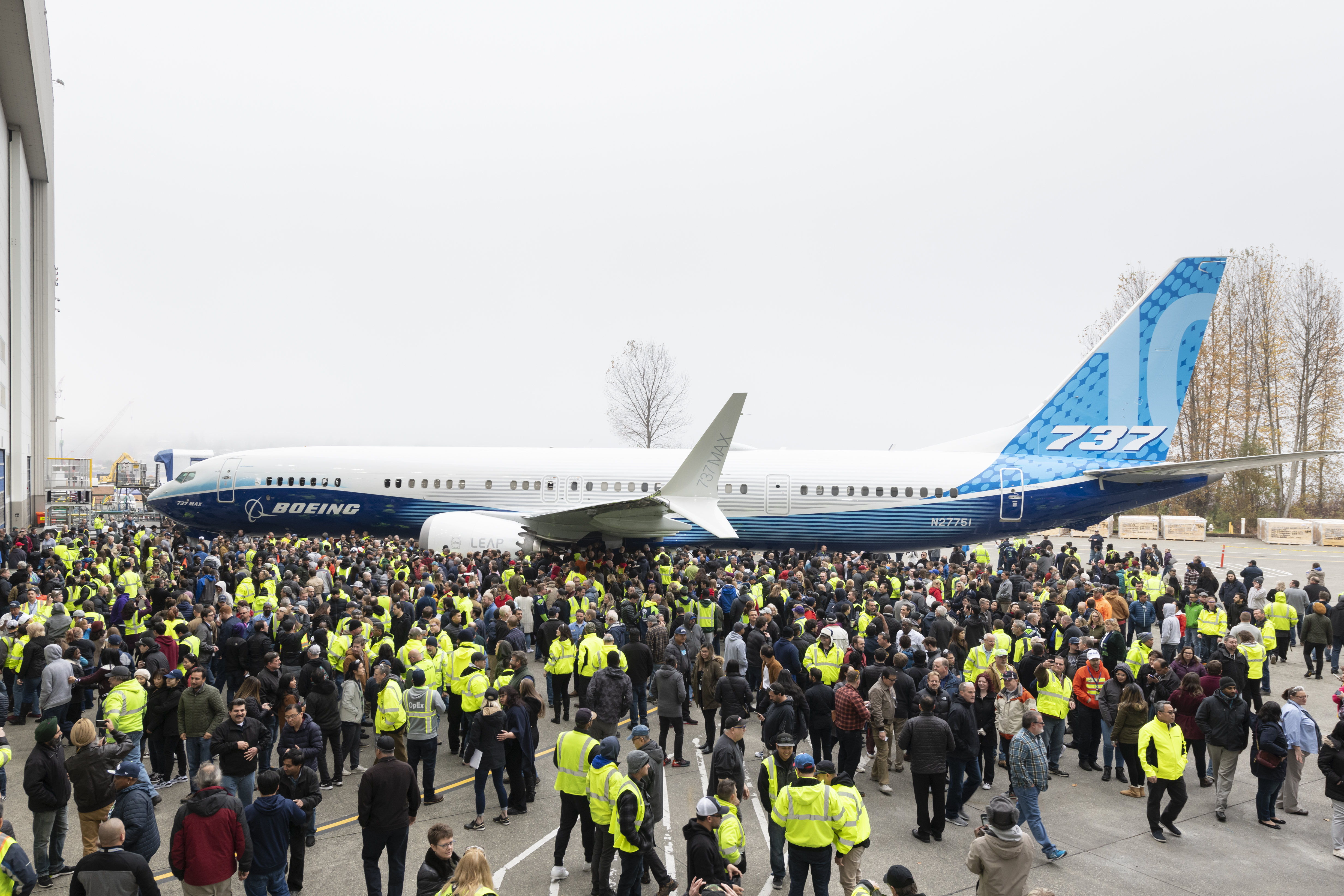
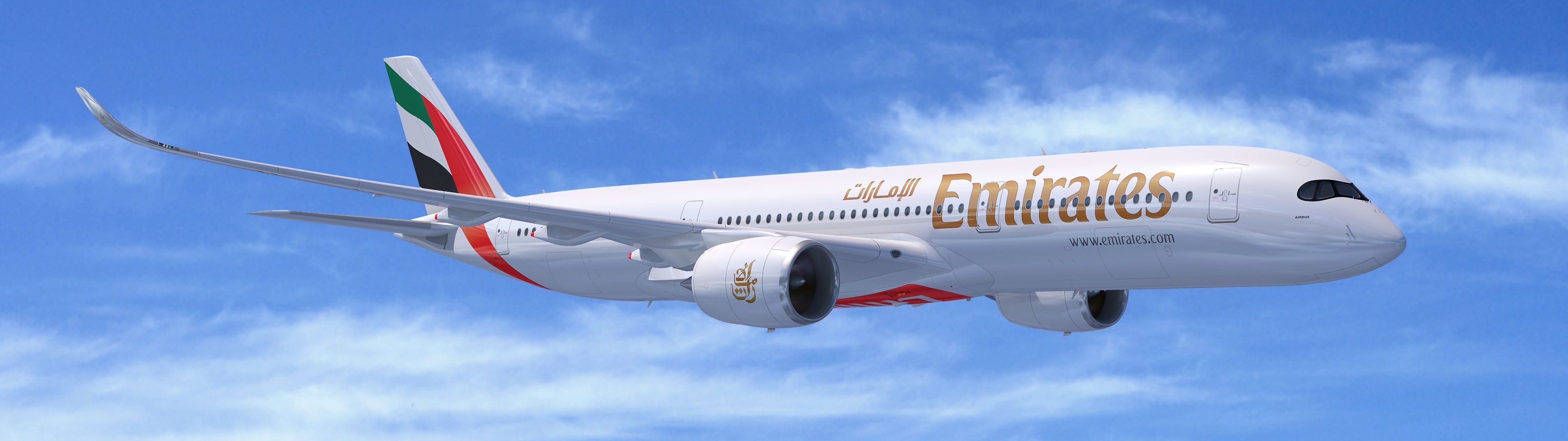
 DUBAI – Deals worth $54.5 billion were reached at the latest edition of the Dubai Airshow, which closed on Thursday, the event’s organizers said.
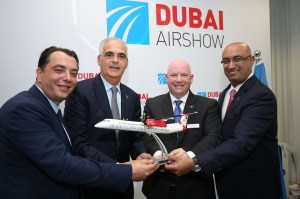 De Havilland Canada, which returned to the show after many years, won a number of orders for its Dash 8-400 aircraft from companies in the UAE, Russia and Nigeria.
 Airservices Australia selected Searidge’s digital tower solution for an initial prototype at Sydney Airport.
 LAS VEGAS, Nev. – Sustainability is the main focus of this week’s Business Aviation Convention & Exhibition (NBAA-BACE) in Las Vegas.
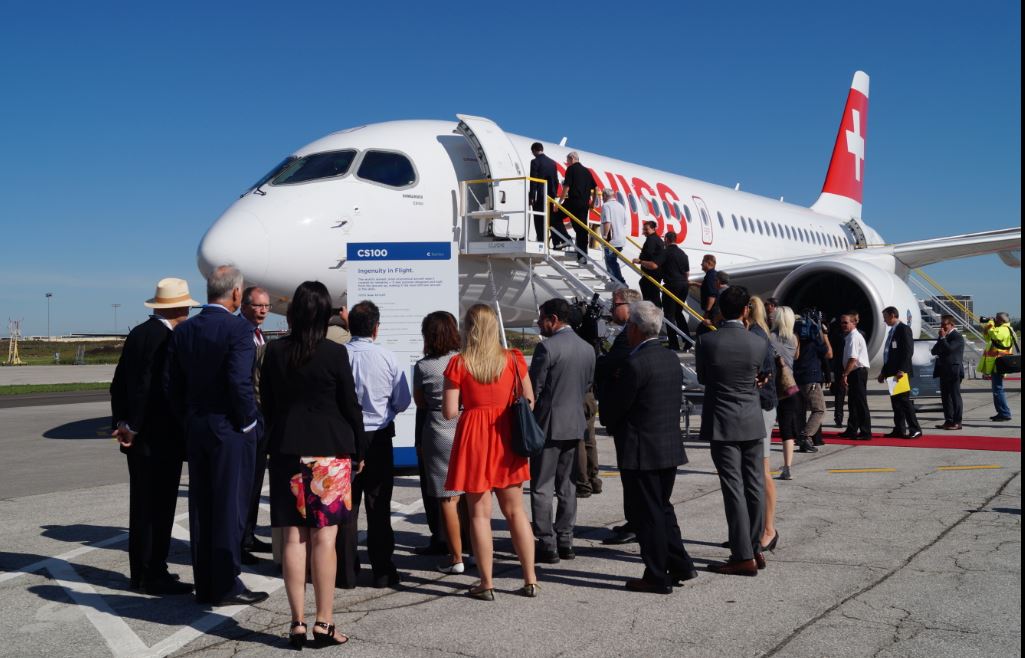 The world’s newest commercial aircraft is being delivered on Thursday.
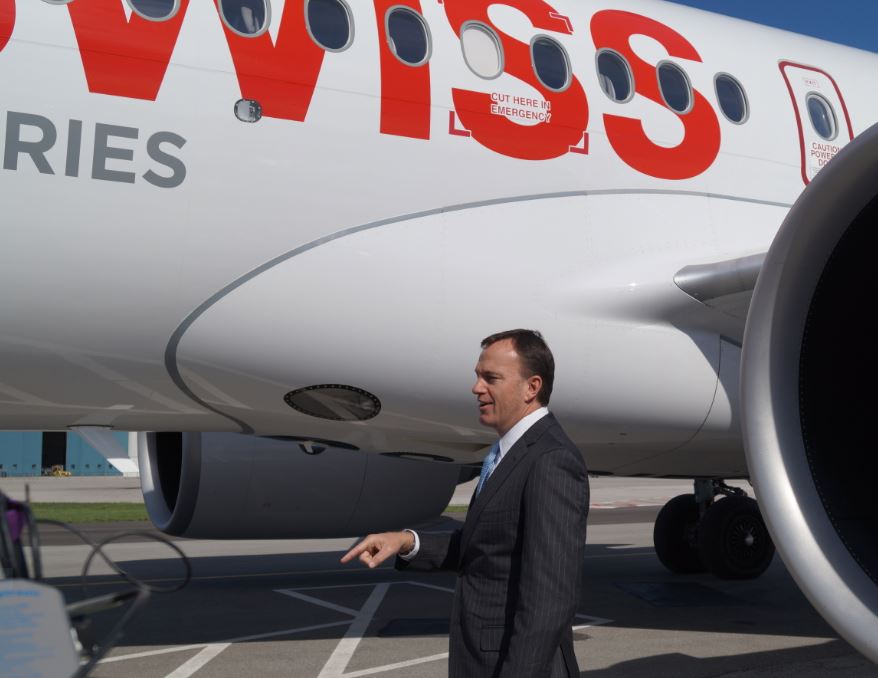 Fred Cromer (right), president of Bombardier Commercial Aircraft, called it the first “right-sized aircraft in the 100- to 150-seat market segment in nearly 30 years.”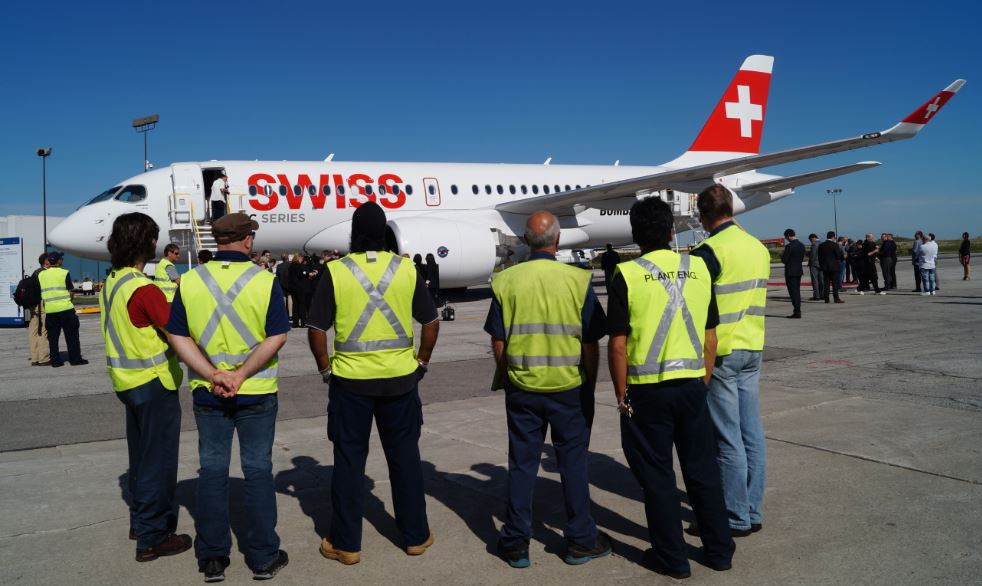
 The world’s largest aircraft manufacturer is collaborating with Canada’s aviation industry, the
  Under the latest initiative, a consortium that includes Boeing,
  “Sustainable aviation biofuel will play a critical role in reducing aviation’s carbon emissions over the long term,” said Julie Felgar, managing director of environmental strategy and integration at Boeing Commercial Airplanes.
 The
The 
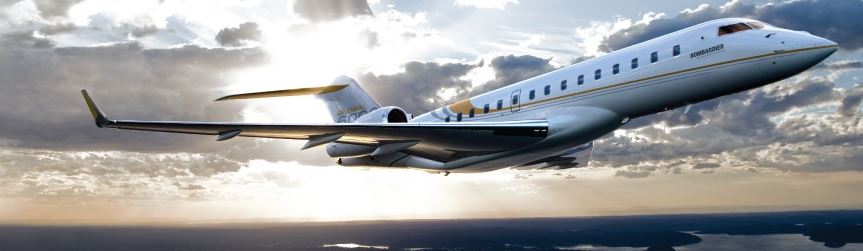 The service will be available on new Global 5000, Global 6000, Global 7000 and Global 8000 aircraft.
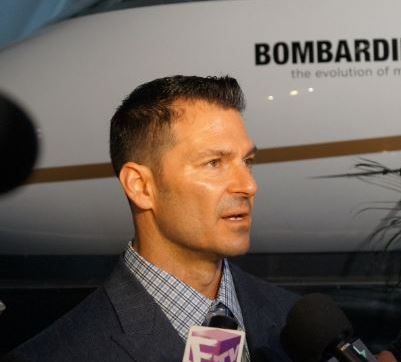 “Our Global aircraft can link virtually any key city pair worldwide, non-stop, at close to the speed of sound, and the Bombardier WAVE system is intended to match this performance with its exceptional speed, promise of reliability and worldwide reach,” said David Coleal (left), president of Bombardier Business Aircraft.
 The system leverages Honeywell Aerospace’s JetWave hardware and Inmarsat’s JetConneX solution to deliver high-speed access, consistent performance and seamless coverage across the globe, Bombardier said.
 “Our JetWave hardware, coupled with Inmarsat’s JetConneX solution, is ushering in a new era of connectivity in the skies,” said Kristin Slyker, vice-president at Honeywell Aerospace.
 The Air Dispatch