
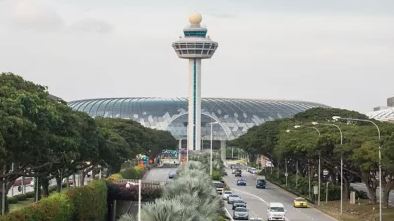
SINGAPORE – Thales will develop a new air traffic management system for Singapore that the French aerospace giant said Thursday will help reduce flight delays and lower carbon emissions.
Thales said the Civil Aviation Authority of Singapore (CAAS) has awarded the company a contract for the NexGen Air Traffic Management System, which will replace the country’s existing air traffic management platform.
No financial details were disclosed, but the company said the new system is expected to become operational by 2030.
Singapore’s Changi Airport is one of Asia’s busiest aviation hubs. It handled nearly 70 million passengers last year, up 3.4% from 2024, according to airport data.
The Thales project also includes a knowledge transfer program, with CAAS personnel joining the project office in France, as well as other localization projects in Singapore, the company said.
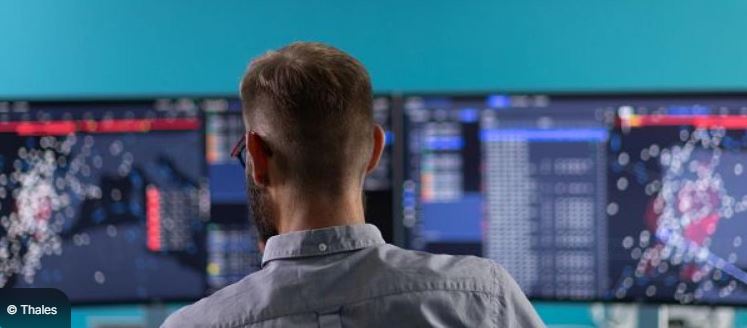
The new system will use Thales’ TopSky–ATC One platform, which the company said provides air traffic controllers with artificial intelligence-enabled tools, streamlined workflows and a new human-machine interface.
It also includes TopSky–Sequencer, an AI-based system designed to optimize aircraft arrivals and departures.
The company added that the system has an open architecture that will allow future upgrades and the integration of third-party technologies.
Thales said the platform also incorporates cybersecurity features that comply with standards set by the International Civil Aviation Organization and Singapore.
As part of the contract, Thales will also supply two next-generation air traffic control radars. The company said the radars will provide continuous aircraft detection in all weather conditions and will be integrated with the new air traffic management system to improve situational awareness for controllers.






 The Air Dispatch