• Home
  • Blog
  • About/Disclaimer
  • Contact

The Air Dispatch

~ Covering the business of aviation and travel

The Air Dispatch

Category Archives: Technology

Boeing 777X takes to the skies

26 Sunday Jan 2020

Posted by Abdul Latheef in Aircraft, Airlines, Airports, Aviation, Boeing, Boeing 777X, Business, Emirates, Singapore Airlines, Technology, Travel, UAE

≈ Leave a comment

Tags

ANA, Aviation, Boeing, Boeing 777X, British Airways, Cathay Pacific Airways, Dubai, Emirates, Etihad Airways, Frankfurt, Lufthansa, Qatar Airways, Seattle, Singapore, Singapore Airlines

777X

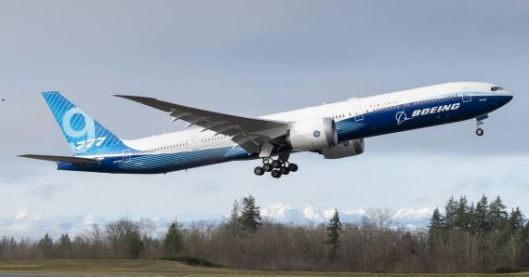
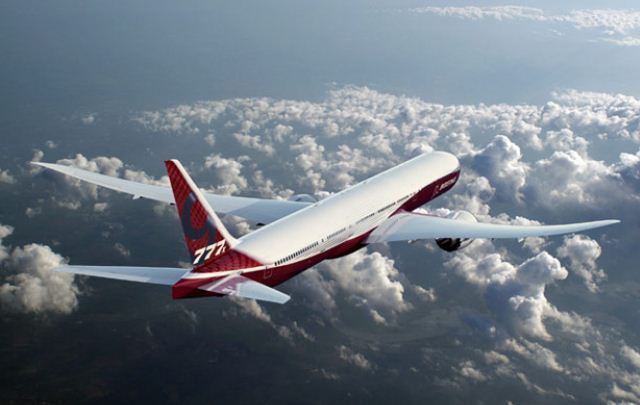
The Boeing 777X takes off from Everett, Wash., on Saturday.

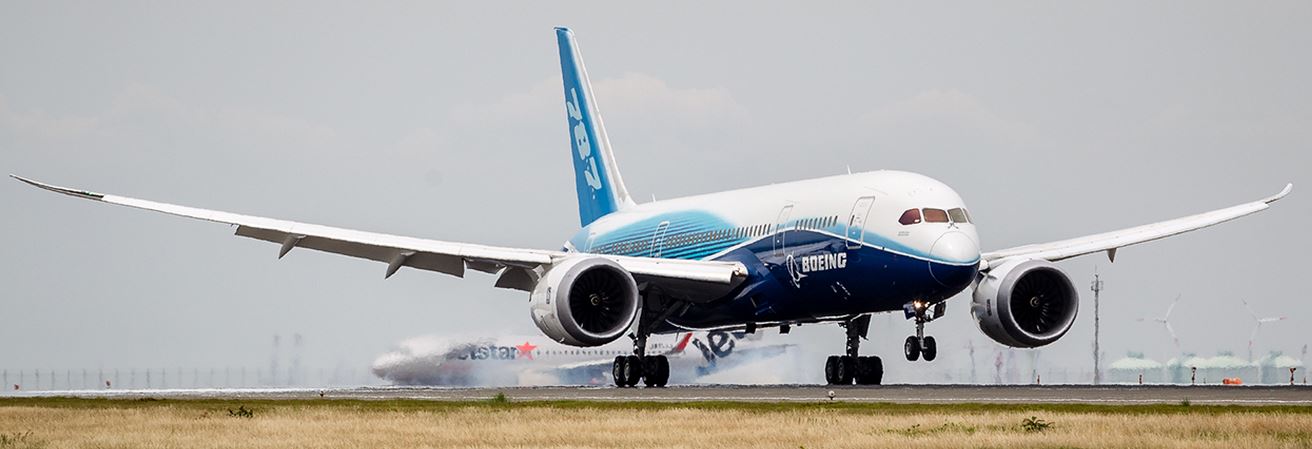
SEATTLE, Wash. — “The 777X flew beautifully,” said Capt. Van Chaney after successfully flying Boeing’s newest aircraft Saturday.

“Thank you to all the teams who made today possible. I can’t wait to go fly your airplane again,” added the chief pilot for 777X test and evaluation

With that first flight, the world’s longest and largest twin-engine airliner entered the next phase of its test program.

The 777-9X is based on the popular 777.
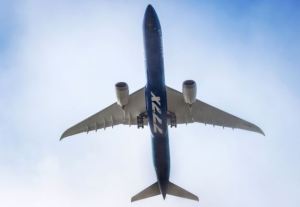
777XThe aircraft took off in front of thousands at Paine Field in Everett, Wash., at 10:09 a.m. local time for a three-hour, 51-minute flight over Washington state before landing at Seattle’s Boeing Field, the company said.

Chaney called the flight very productive.

The first of four dedicated 777-9 flight test airplanes, WH001 will now undergo checks before resuming testing in the coming days, Boeing said.

“Our Boeing team has taken the most successful twin-aisle jet of all time and made it even more efficient, more capable and more comfortable for all,” said Stan Deal, president and CEO of Boeing Commercial Airplanes.

“Today’s safe first flight of the 777X is a tribute to the years of hard work and dedication from our teammates, our suppliers and our community partners in Washington state and across the globe.”

Boeing has won 340 orders and commitments for the 777X from leading carriers, including Emirates, Lufthansa and Singapore Airlines.

The first delivery is expected in 2021.

Images are courtesy of Boeing.
 

Pilatus unwraps the PC-12 NGX

22 Tuesday Oct 2019

Posted by Abdul Latheef in Aircraft, Airshow, Aviation, Business, Business Aircraft, Business Aviation, Technology

≈ Leave a comment

Tags

Business, Business Aircraft, Business Aviation, EBAA, Las Vegas, NBAA-BACE, News, Pilatus, Pratt & Whitney Canada, Switzerland

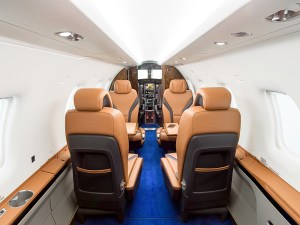
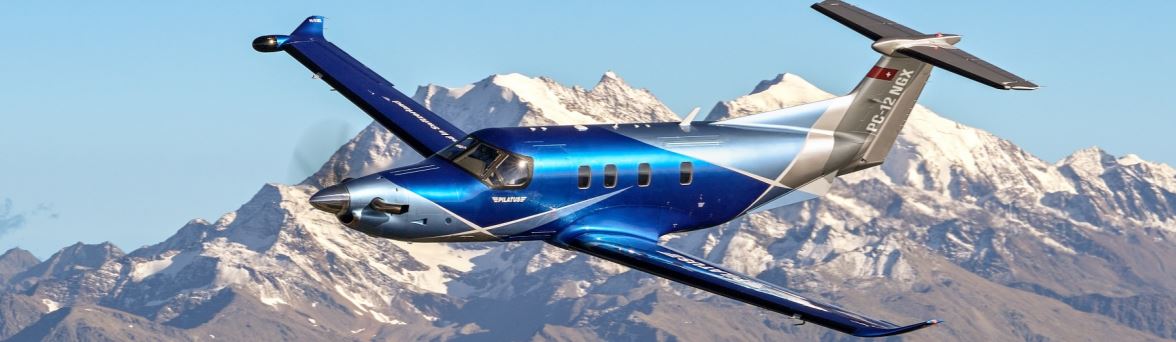
PC-12 NGX PC-12 NGX LAS VEGAS, Nev. – Swiss aircraft maker Pilatus has unveiled its new single-engine turboprop – the PC-12 NGX – at the National Business Aviation Association’s Convention and Exhibition (NBAA-BACE) in Las Vegas.
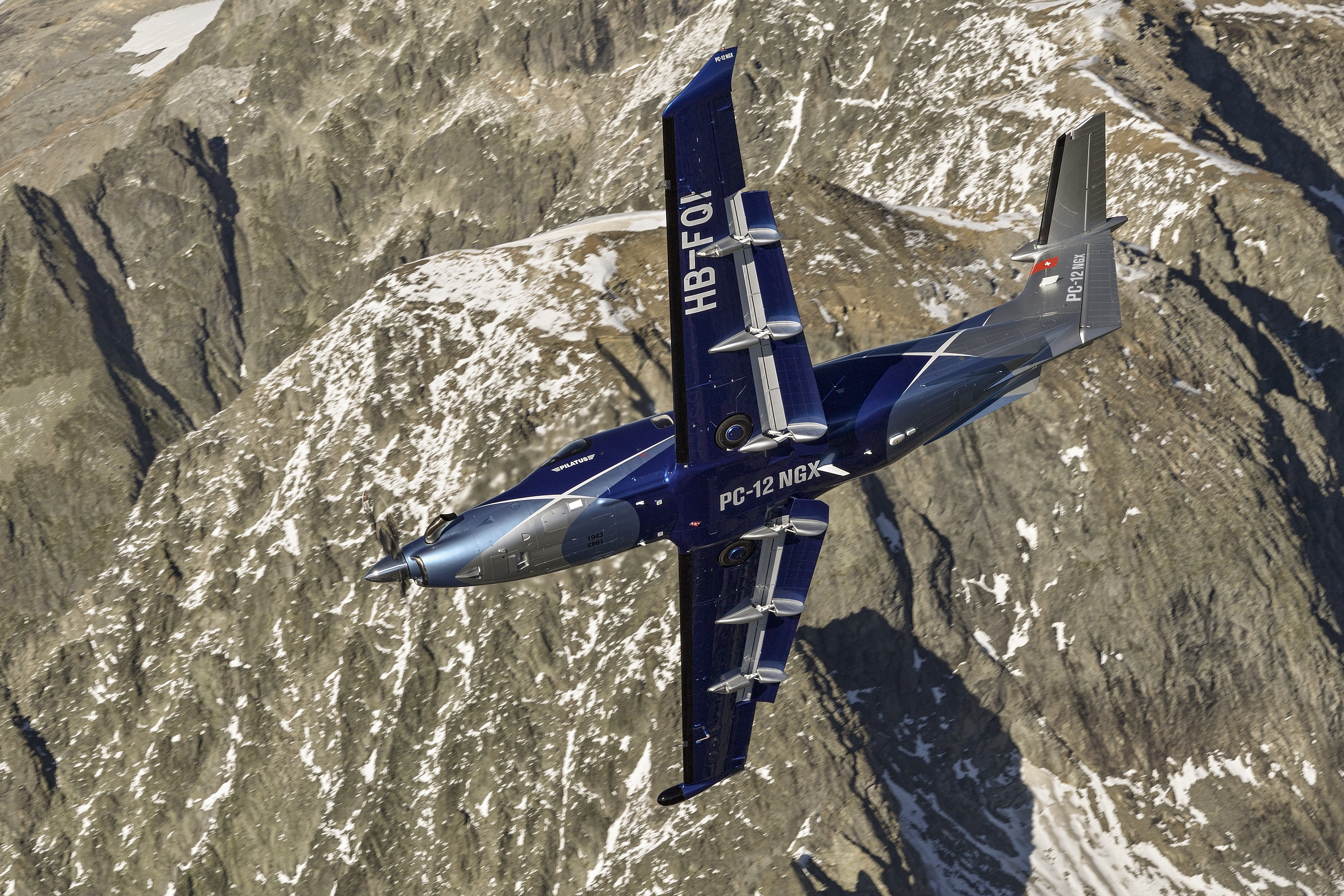
The PC-12 NGX incorporates an improved engine, smarter avionics and a completely redesigned cabin with larger windows, making this third generation of the PC-12 airframe the most advanced single-engine turboprop ever, the company said.

“Building on the experience gathered from the worldwide PC-12 fleet of over 1,700 aircraft with more than 7 million flight hours, the new PC-12 NGX brings the latest technology to the turboprop market.”

The aircraft is powered by the PT6E-67XP turboprop engine from Pratt & Whitney Canada.

PC-12 NGX

Images are courtesy of Pilatus.

NBAA show focuses on sustainability

20 Sunday Oct 2019

Posted by Abdul Latheef in Airports, Airshow, Aviation, Biofuel, Business, Business Aircraft, Business Aviation, EBACE, Technology

≈ Leave a comment

Tags

Aviation, Boeing, Bombardier, Business, Business Aviation, Henderson Executive Airport, Las Vegas, NBAA-BACE, News, Sustainable Aviation Fuel, Transport, Travel

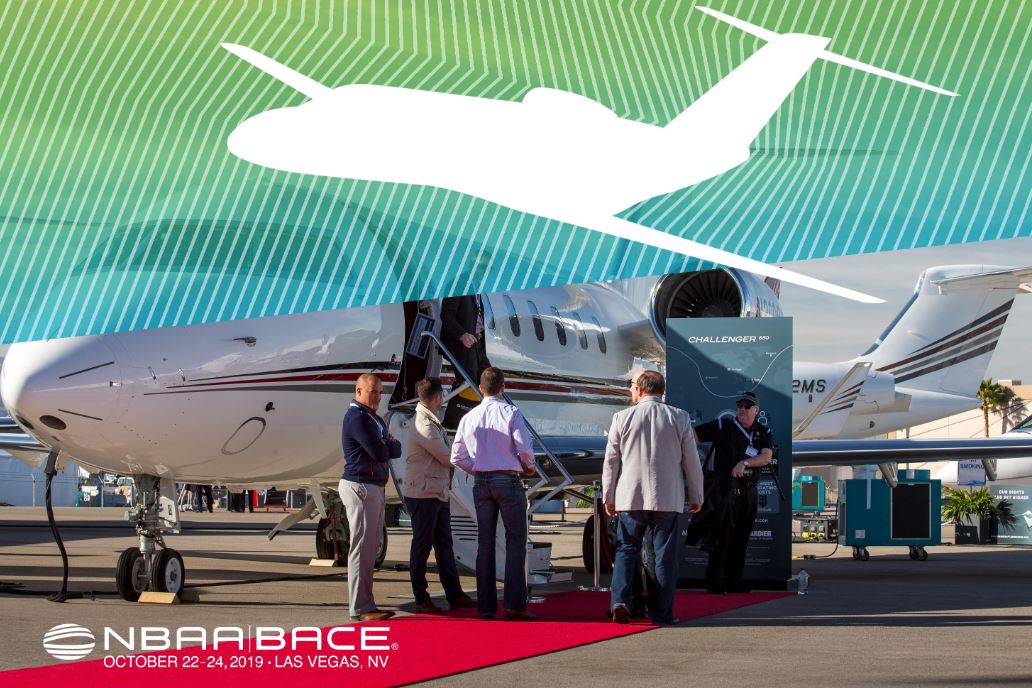
NBAA-BACELAS VEGAS, Nev. – Sustainability is the main focus of this week’s Business Aviation Convention & Exhibition (NBAA-BACE) in Las Vegas.
As part of the show, Henderson Executive Airport will for the first time in its history make available Sustainable Aviation Fuel, the National Business Aviation Association said.

“Some 100 airplanes will take on the renewable fuel at the Clark County-owned and operated airport this week, including those on display at the show.”

SAF is a non-fossil power source that can reduce aviation’s carbon lifecycle emissions by up to 80 percent.

“After planes refuel and depart at the show’s close Oct. 24, an estimated 150,000 gallons of SAF are expected to have been pumped at the airport in conjunction with NBAA’s convention,” the NBAA said.

The NBAA is also holding various events throughout the week to promote sustainability.

First Dreamliner goes on show in Nagoya

07 Tuesday Jul 2015

Posted by Abdul Latheef in Airports, ANA, Aviation, Boeing, Business, Centrair International Airport, Dreamliner, Japan Airlines, Museum, Nagoya, News, Technology, Tourism, Transport, Travel, ZA001

≈ Leave a comment

Tags

ANA, Aviation, Boeing, Business, Centrair International Airport, Dreamlifter, Dreamliner, Japan, Japan Airlines, Museum, Nagoya, News, Technology, Tourism, Transport, Travel, ZA001

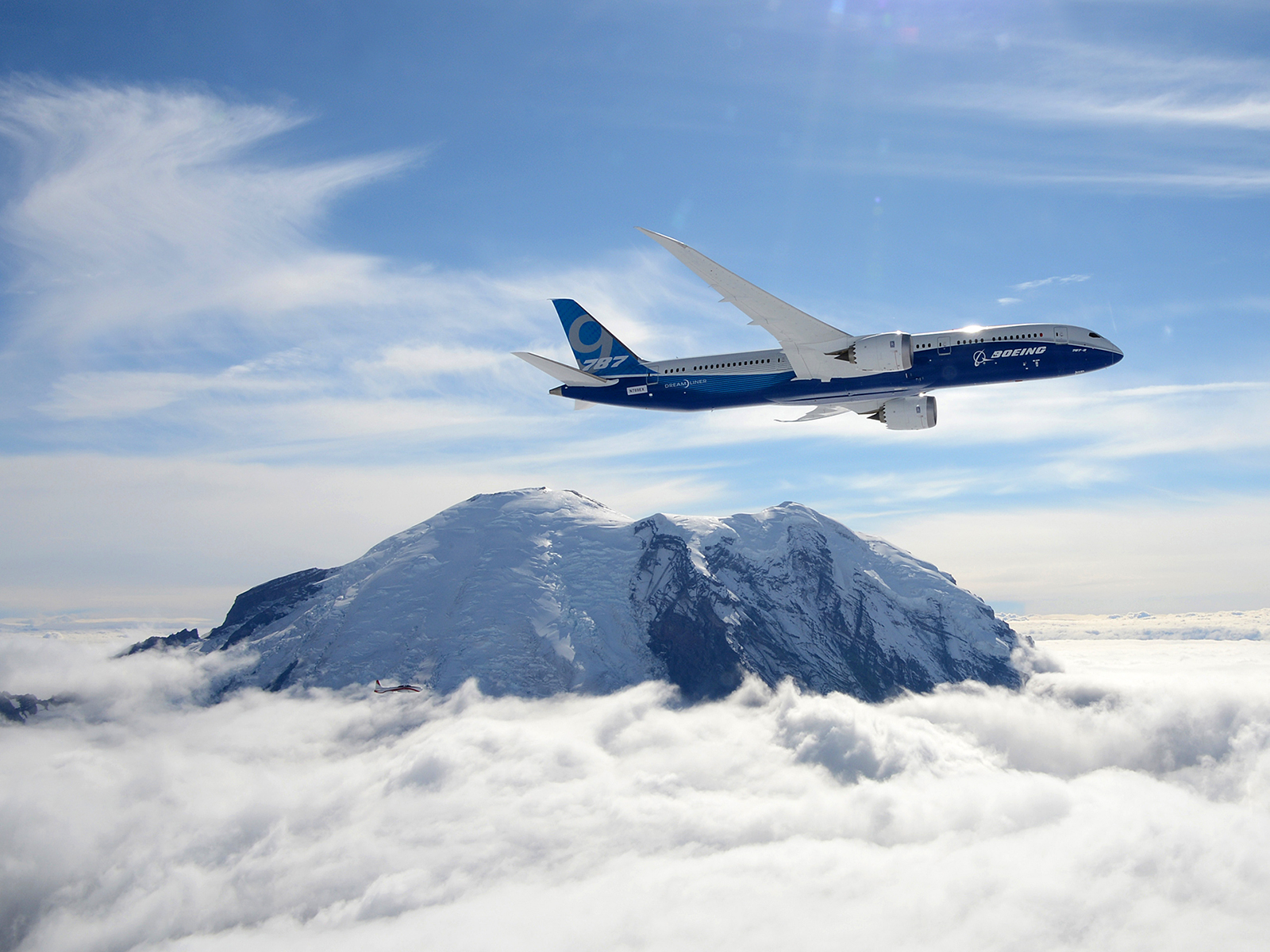
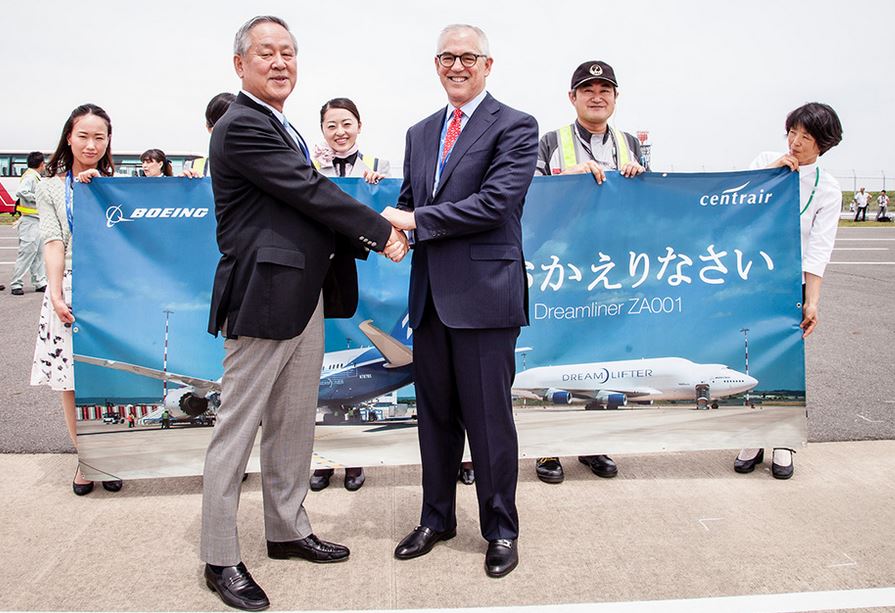
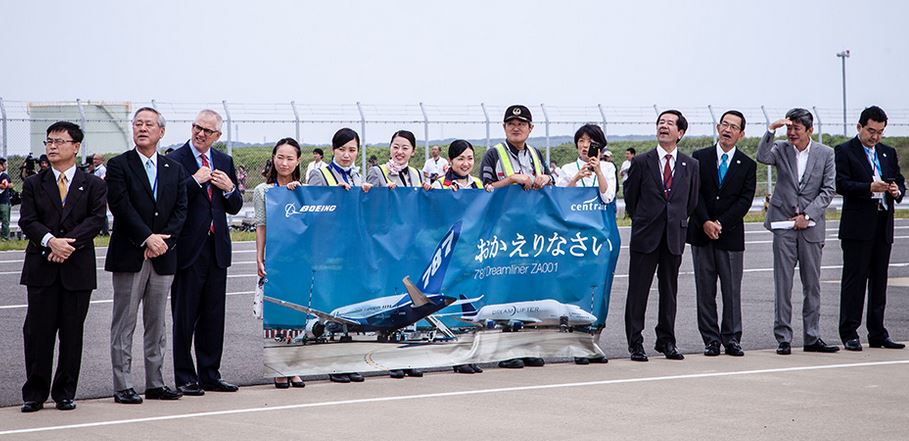
ZA001Several key parts of the Boeing 787 Dreamliner are made in Nagoya, the heart of Japan’s aerospace industry.

They are then flown from the city’s airport in a converted 747-400 freighter known as Dreamlifter to Boeing assembly plants in the United States.

AirportToday, Boeing rewarded the city for its contribution by donating the first 787-8 flight test aircraft to the Chubu Centrair International Airport.

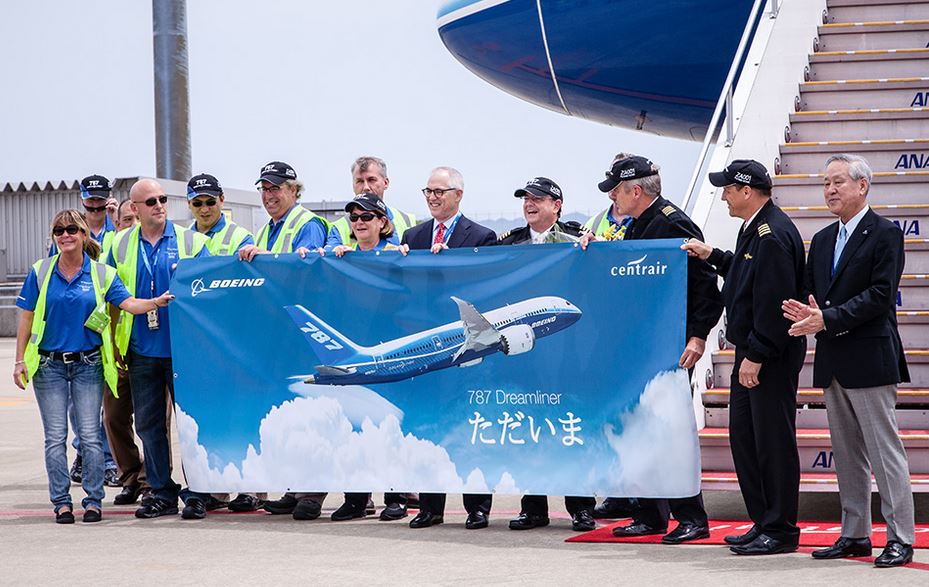
Code-named ZA001, the airplane first flew on Dec. 15, 2009. It touched down in Nagoya on its last flight on June 22, 2015.

Many of its parts, including the main wing, forward fuselage and centre wing box, were manufactured in Nagoya.

“It is fitting that we bring Boeing’s first-ever 787 Dreamliner back home to Nagoya,” said George Maffeo, president of Boeing Japan.

“Many of our partners here spent countless hours to develop and produce the 787 Dreamliner’s airframe structure and Centrair was with us from the very start of the journey.”

He said the ZA001 had grown to symbolize the partnership between Boeing and Japan’s aerospace industry.

Airport4
“We are honoured to be selected by Boeing to house the permanent display of the world’s first-ever 787 Dreamliner,” said Masanao Tomozoe, president and CEO, Central Japan International Airport Co., Ltd.

“This milestone will allow us to significantly contribute to the aerospace community as well as the Greater Nagoya region by spurring the imagination and interest of future aviation pioneers here in Japan.”

Airport5Located on a man-made island off the coast of Nagoya, Centrair is an international hub serving some 30 cities.

Boeing has now donated three of the six Dreamliner flight-test and certification program aircraft.

The ZA002 was presented to the Pima Air & Space Museum in Tucson, Ariz. and the ZA003 to the Museum of Flight in Seattle.

Images are courtesy of Boeing.

Billionaires ‘prefer Airbus business jets’

17 Tuesday Jun 2014

Posted by Abdul Latheef in A380, Airbus, Airbus Corporate Jets, Aircraft, Airlines, Airports, Aviation, Boeing, Business, Dubai, Flying Palace, France, Luxury Travel, News, Technology

≈ Leave a comment

Tags

Aviation, Boeing, Business, Flying Palace, Luxury Travel, News, Technology, Transport, Travel

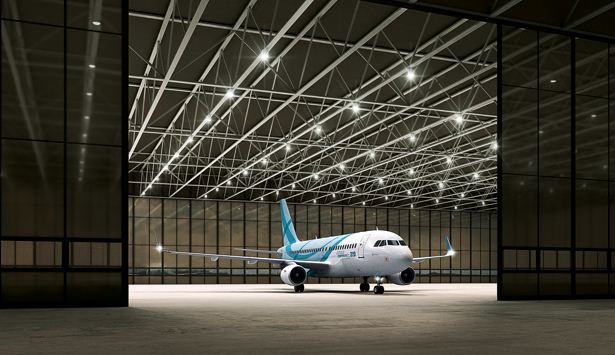
The new ACJ319 Elegance

The new ACJ319 Elegance

Airbus is predicting that it will sell 10 corporate jets this year as more billionaires are eager to take their lifestyles into the air.

“In the airline market, the customer is interested in economy. In the corporate jet market, that is not an issue for the customer,” said David Velupillai, marketing director at the European aircraft manufacturer’s corporate jet division.

Speaking from the Airbus headquarters in Toulouse, France, he said that a recent study commissioned by the company had provided some new insights into the billionaire lifestyle.

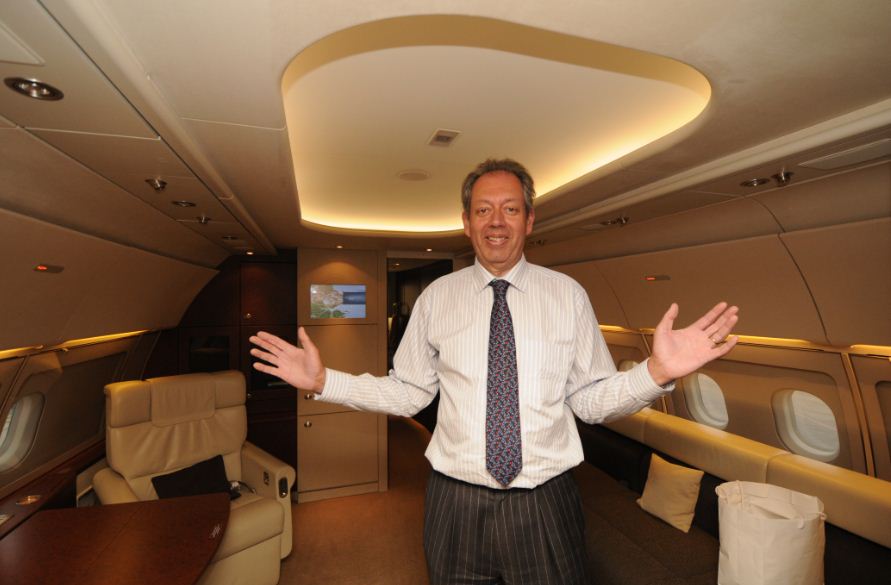
David Velupillai, marketing director at Airbus Corporate Jets

David Velupillai on board an ACJ318

Velupillai said a key finding was that billionaires in the Middle East love to travel with an entourage such as those looking after them and advising them on the ground.

That means they need a larger aircraft that will enable them to travel in comfort, which at present Airbus is best placed to provide, he said.

Airbus business jets can carry groups of between 19 and 50 people. Then, of course, there is the corporate version of the A380 superjumbo, which can carry 100 or more people.

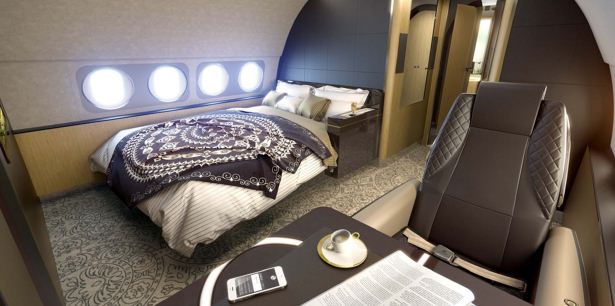
A bedroom on the ACJ319 Elegance

A bedroom on the ACJ319 Elegance

Fly-by-wire is standard on all Airbus corporate jets, which are based on the modern family of Airbus aircraft and include the ACJ318, ACJ319, ACJ320 and ACJ321.

At the same time, Velupillai said, fly-by-wire is non-existent on many competitors’ jets.

“Recently I flew with a billionaire on an Airbus Corporate Jet and he was quite surprised by how comfortable the airplane was,” he said.

“He had never experienced such comfort and freedom of movement on an airplane before.”

Velupillai says that is because Airbus business jets are the widest and tallest in the market.

A new addition to the company’s product line is the new ACJ319 Elegance, an airplane which Velupillai said is easier and faster to outfit and which has generated a lot of buzz since its launch this April.

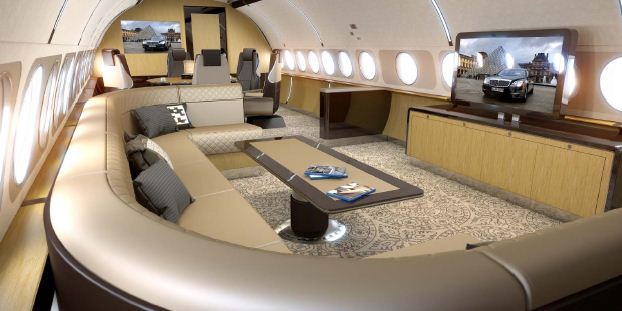
The Lounge on the ACJ319 Elegance

The lounge on the ACJ319 Elegance

The Elegance offers many innovations, including a modular approach which lets the customer choose from a wide range of seating and socializing options.

More than 170 Airbus business jets are currently in service around the world.

With the number of billionaires forecast to grow in Asia and the Middle East, Airbus is hopeful that the demand for its business jets will remain robust in the next few years.

By the way, if you want to buy one of these aircraft, it could take up to 20 months from order to delivery.

So be patient!


Flying Palace claims just ‘speculation’

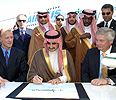
Prince Alwaleed signs the order for the A380 superjumbo in 2007.

Flashback: Alwaleed signs the A380 deal in 2007

Remember, the “Flying Palace” ordered in 2007 by Saudi billionaire Prince Alwaleed bin Talal?

The A380, scheduled for delivery next year, was purported to undergo $200 million worth of cabin outfitting featuring multiple bedrooms, a theatre, a turkish bath and a garage for Rolls Royce cars.

“All these claims are speculation, with the airplane yet to be outfitted,” said Velupillai.

Alwaleed resold his superjumbo in late 2012 to an unidentified customer.

“That’s true, but I can’t reveal the identity of the buyer,” said Velupillai.

All images are courtesy of Airbus.


Boeing, Embraer in biofuel initiative

12 Monday May 2014

Posted by Abdul Latheef in Abu Dhabi, Aircraft, Airlines, Airports, Aviation, Biofuel, Boeing, Business, Embraer, Environment, Masdar City, News, Technology, Transport, Travel

≈ Leave a comment

Tags

Aviation, Biofuel, Boeing, Buisness, Business, Embraer, Environment, Menu 1, News, Technology, Transport

b2BrazilBoeing is partnering with Brazilian aircraft maker Embraer to advance sustainable aviation biofuel development in the largest country in South America.

They will conduct joint research at a centre in Sao Jose dos Campos Technology Park in Sao Paulo, Boeing announced today.

The two companies will also fund and co-ordinate biofuel research with other Brazilian instiutions.

“Boeing is working aggressively around the world to expand the supply of sustainable aviation biofuel and reduce aviation’s carbon emissions,” said Julie Felgar, managing director of environmental strategy and integration at Boeing Commercial Airplanes.

Boeing’s global initiatives include a project in Abu Dhabi, United Arab Emirates, where it has partnered with the Masdar Institute of Science and Technology and others to produce aviation biofuel.

“Embraer is committed in supporting the development of sustainable biofuels for aviation and the joint efforts with Boeing will undoubtedly contribute to the company continuing to be in the forefront of research in this area,” said Mauro Kern, executive vice-president of engineering and technology at Embraer.

Boeing’s experts have concluded that when produced sustainably, aviation biofuel emits 50 to 80 per cent lower carbon emissions through its lifecycle than petroleum jet fuel.

The fuel was approved for use in airplanes in 2011. Since then, Boeing says, it has been used on more than 1,500 passenger flights.


Abu Dhabi to produce aviation biofuel

19 Sunday Jan 2014

Posted by Abdul Latheef in Abu Dhabi, Aircraft, Airlines, Aviation, Biofuel, Boeing, Business, Eithad Airways, Environment, Masdar City, News, Oil & Gas, Technology, Transport

≈ Leave a comment

Tags

Aviation, Biofuel, Boeing, Business, Cities, Environment, Etihad Airways, Masdar City, News, Oil & Gas, Technology, Transport


An artist's impression of Masdar City. Masdar City photo.
An artist’s impression of Masdar City. Masdar City photo.

Abu Dhabi, one of the world’s largest oil producers, is also a leader in environmental initiatives.

Its most ambitious project is the solar-powered Masdar City, which is being built about 20 kilometres east of the United Arab Emirates capital.

One of the institutes behind the project, the Masdar Institute of Science and Technology, is now joining state-owned Etihad Airways, U.S. aircraft maker Boeing and French oil giant Total to produce aviation biofuel in the UAE.

Oil refiner Takreer will also be a partner in BIOjet Abu Dhabi.

“BIOjet Abu Dhabi will engage a broad range of stakeholders to develop a comprehensive framework for a UAE biofuel supply chain, including research and development and expanded investment in feedstock production and refining capability in the UAE and globally,” the companies said Sunday.

EtihadA day earlier, an Etihad Boeing 777 took off on a 45-minute demonstration flight, powered in part by biofuel produced in Abu Dhabi.

“Our goal is to support and help drive the commercialization of sustainable aviation fuel in Abu Dhabi, the region and also globally,” said James Hogan, president and CEO of Etihad.

The BIOjet Abu Dhabi initiative comes just days after Boeing said it was awaiting regulatory approvals to use green diesel on its airplanes.

“Boeing works with partners around the world to advance sustainable biofuel development and sees great opportunity for BIOjet Abu Dhabi to have a positive impact in the UAE and globally,” said Jeffrey Johnson, president, Boeing Middle East.

Boeing wants to fly on green diesel

14 Tuesday Jan 2014

Posted by Abdul Latheef in Aircraft, Airlines, Aviation, Business, Environment, Green Diesel, News, Technology, Transport, Travel

≈ 1 Comment

Tags

Aviation, Boeing, Business, Environment, Green Diesel, News, Technology, Transport, Travel

Going green: Biofuel research at a Boeing laboratory in Seattle. Boeing photo.

Going green: Biofuel research at a Boeing laboratory in Seattle.

Boeing wants to use green diesel on its airplanes to reduce the environmental footprint.  The American aircraft maker says it has identified green diesel as “a significant new source of sustainable aviation biofuel.”

Green diesel is made from oils and fats and is already used in ground transportation.

It emits at least 50 per cent less carbon dioxide than fossil fuel over its lifecycle, Boeing said Tuesday.

“Boeing researchers performed analysis that found green diesel… to be chemically similar to today’s aviation biofuel. If approved, the fuel could be blended directly with traditional jet fuel,” the company said.

Efforts are already underway to gain regulatory approval for aircraft to fly on green diesel, it said.

“Green diesel approval would be a major breakthrough in the availability of competitively priced, sustainable aviation fuel,” said James Kinder of Boeing Commercial Airplanes Propulsion Systems Division.

“We are collaborating with our industry partners and the aviation community to move this innovative solution forward and reduce the industry’s reliance on fossil fuel.”

Boeing Dreamliner Boeing noted that significant green diesel production capacity already exists in the United States, Europe and Singapore that could supply as much as one per cent of global commercial jet fuel demand.

Boeing, the Federal Aviation Administration, engine manufacturers, green diesel producers and others are now compiling a detailed research report that will be submitted to key stakeholders in the fuel approvals process, the company said.

Images are courtesy of Boeing.

Green taxiing technology taking shape

18 Wednesday Dec 2013

Posted by Abdul Latheef in Aircraft, Airlines, Aviation, Business, Environment, News, Technology, Transport

≈ Leave a comment

Tags

Aviation, Business, Environment, News, Technology, Transport

Airbus is embracing a green taxiing technology that would cut fuel consumption – and pollution at airports – substantially.

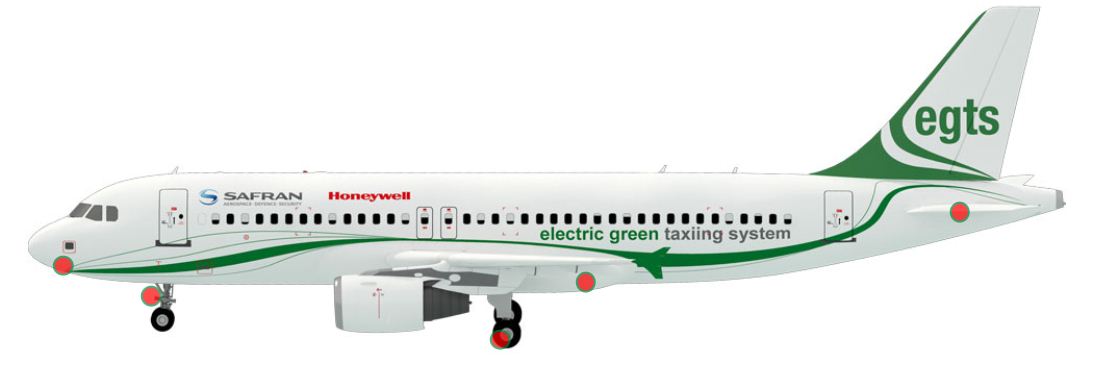
The electric green taxiing system, or EGTS, is being developed by technology giants Honeywell and Safran.

This is how the technology works. EGTS photo

This is how the technology works. EGTS photo

It was demonstrated at the Paris Airshow in June.

The European aircraft manufacturer says it has signed a memorandum of understanding with EGTS International, a joint venture between Honeywell and Safran, to adopt EGTS for its A320 family of single-aisle airliners.

Airbus is calling it eTaxi.

The company says the system would allow the aircraft to push back from the gate without a tug, taxi out to the runway, and return to the gate after landing without operating the main engines.

The power will come from electric motors fitted to the airplane’s main landing gear wheels.

“Following our demonstration of the technology at this year’s Paris Airshow, this MoU marks the next critical milestone in the advancement of the electric green taxiing system as an option for Airbus A320 family,” said Brian Wenig, EGTS program vice-president at Honeywell Aerospace.

Olivier Savin, EGTS program vice-president at Safran, says the agreement is significant in the development of the system.

“Through this agreement we are creating the ideal context to collaborate to best utilize our own landing gear systems expertise to develop a green taxiing solution for the A320 family.”

Airbus says eTaxi will offer several operational and environmental benefits, including up to four per cent savings in fuel consumption and four per cent reduction in carbon dioxide emissions.

“Over the next few months the partners will jointly develop and present a global commercial case and implementation plan to determine the feasibility of an electric taxiing solution for the A320 family,” Airbus said Tuesday.

The system is expected to be installed on new aircraft in 2016.

Boeing expands training in Russia

16 Monday Dec 2013

Posted by Abdul Latheef in Aircraft, Airlines, Aviation, Business, Technology, Transport

≈ Leave a comment

Tags

Aviation, Boeing, Business, News, Technology, Transport

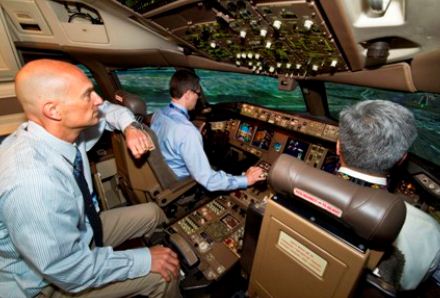
Pilot training in a 777 full-flight simulator. Boeing photo.

Pilot training in a 777 full-flight simulator. Boeing photo.

Boeing says it will open a new, state-of-the-art aviation training campus in Russia’s emerging high-tech centre in 2015.

The new full-service training facility will be located in the Skolkovo Innovation Center near Moscow, the U.S. aircraft manufacturer said Monday.

Initial capability will include flight, maintenance and specialty training, it said.

“We are bringing Boeing’s flight and maintenance training closer to our Russian customers, giving them the world-class support they need to successfully operate and maintain their fleets,” said Sherry Carbary, vice-president, Boeing Flight Services.

“Airlines in the region will benefit from a technologically advanced training campus staffed by the industry’s best qualified and most experienced pilots and instructors.”

Boeing will partner with the St. Petersburg, Russia-based avionics and flight-simulator manufacturer Transas on the project.Russia2

“We are delighted to become technology partners in this unique project,” said Nikholay Lebedev, president of Transas.

“We strongly appreciate that our flight simulation technologies have become part of this international project, aimed at improving the efficiency and quality of flight crew training in Russia — a sign of confidence in our products that we are proud of.”

Boeing says the new facility will open with four simulator bays, featuring three Next-Generation 737 full-flight simulators and one 777 full-flight simulator.

Two of the simulators will be built by Transas, it said.

Groundbreaking on the new campus is scheduled for spring of 2014, with training beginning in mid-2015.

Boeing has forecast that the Commonwealth of Independent States, including Russia, will require 15,200 additional airline pilots and 18,000 technicians over the next two decades, supporting 1,530 new commercial airplanes by 2032.

Airbus tests trackable bags

12 Thursday Dec 2013

Posted by Abdul Latheef in Aircraft, Airlines, Aviation, Business, News, Technology, Tourism, Transport, Travel

≈ Leave a comment

Tags

Aviation, Business, News, Technology, Tourism, Transport, Travel

Nearly 26 million bags are lost or misplaced in airports around the globe each year, but a trackable bag may help reduce that number dramatically.

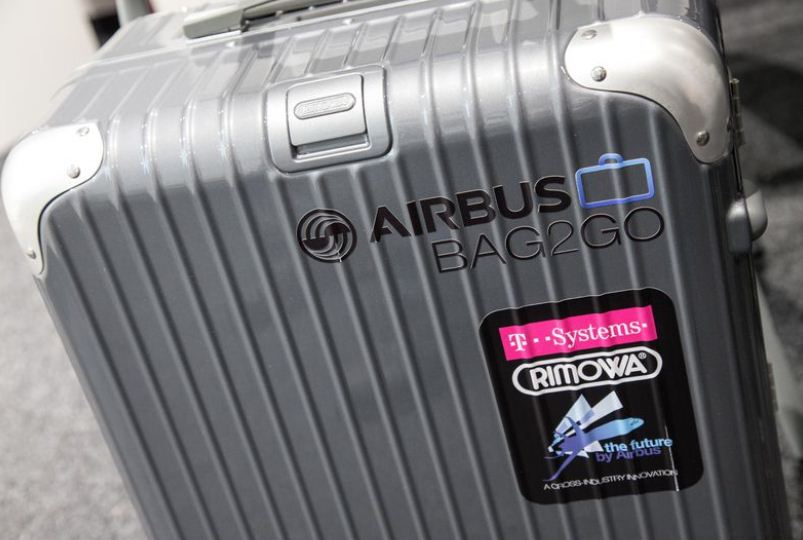
A prototype of the trackable Bag2Go

A prototype of the trackable Bag2Go

Bag2Go is being developed by Airbus in partnership with luggage manufacturer Rimowa and IT services company T-Systems.

It is a specially designed suitcase with integrated electronic tagging which can be controlled by a smartphone.

Tests on Bag2Go will be conducted throughout next year, Airbus said this week.

“It was very important for us to come up with an easy-to-use solution for passengers,” said Airbus Innovation Manager Jan Reh.

“Bag2Go is one piece in the overall puzzle to make luggage more controllable for airlines and provide passengers with a better travel experience.”

The European aircraft manufacturer says airlines are keen to participate because each lost luggage on average costs them about $100 to retrieve and return to the passenger.

The International Air Transport Association, the group that represents the world’s airlines, estimates that lost or misplaced baggage accounts for almost $2.5 billion dollars in lost revenue annually.

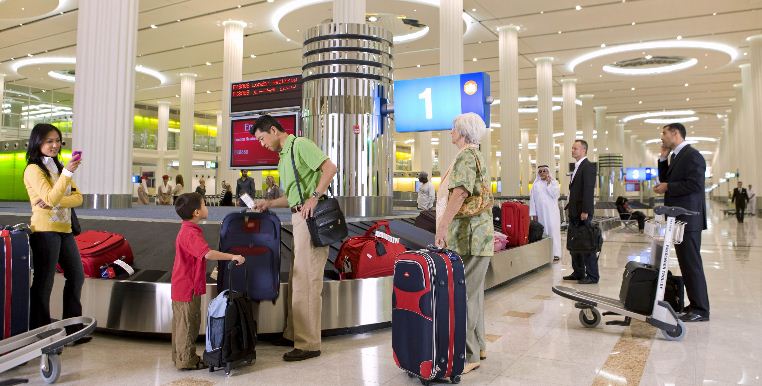
A luggage carousel at Dubai International Airport

A baggage carousel at Dubai International Airport

“This new technology is a fantastic enabler that will help the business transform itself, so that not only will fewer bags be mishandled but newer, more innovative ways of delivering those bags will be found,” said Andrew Price, head of baggage services at the organization.

“These technologies may seem like they are new today but within five years they will be absolutely common place.”

At last, there is hope for light at the end of the baggage carousel!

Images are courtesy of Airbus and Dubai Airport.

Wind-tunnel testing for 777X begins

09 Monday Dec 2013

Posted by Abdul Latheef in Aircraft, Airlines, Aviation, Business, News, Technology

≈ Leave a comment

Tags

Aviation, Boeing, Business, News, Technology, Transport

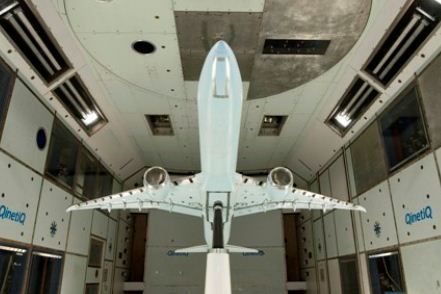
Wind-tunnel testing will last about five months.

Wind-tunnel testing will last about five months.

Less than a month after its spectacular launch at the Dubai Airshow, the Boeing 777X is undergoing low-speed wind-tunnel testing in Britain.

Testing started last week at a facility in Farnborough, the town northeast of London best known for the world’s premier airshow, Boeing said Monday.

“This is the first major development milestone for the program since we launched the program last month,” said Terry Beezhold, vice-president and chief project engineer of the 777X program.

“Wind-tunnel testing will validate our performance models and generate a vast amount of data that our engineering teams will use to design the airplane in this phase of development.”

The low-speed model currently being tested is a 5.5 per cent scale model of the baseline 777X, measuring 4.22 metres long with a wing span of 3.92 metres, Boeing said.

“Hundreds of sensors are embedded in the model to measure pressure to determine the in-flight loads as well as provide valuable diagnostics of the aerodynamic performance of a given design.”

The testing will last about five months.

“We are on track to complete our top-level design in 2014 and reach firm configuration in 2015,” said Beezhold.

B777XBoeing won orders and commitments for 259 aircraft worth almost $100 billion for the 777X in Dubai last month in what was the largest product launch in commercial jetliner history by dollar value.

They came from Emirates, Etihad, Lufthansa and Qatar Airways.

The 777X is the newest member of the highly successful 777 family of long-haul airliners. It will be built in two versions: the 777-9X that offers seating for more than 400 passengers and the 777-8X, which will seat 350 passengers.

Deliveries are expected to begin in 2020.

Images are courtesy of Boeing.

Airbus explores 3D printing of parts

06 Friday Dec 2013

Posted by Abdul Latheef in Aircraft, Airlines, Aviation, Business, Technology, Travel

≈ Leave a comment

Tags

Aviation, Business, News, Technology, Travel

A380European aircraft manufacturer Airbus says it is exploring the use of three-dimensional printing of individual parts or even larger airframe structures.

Airbus has been testing the technology, also known as additive manufacturing, since the late 1990s.

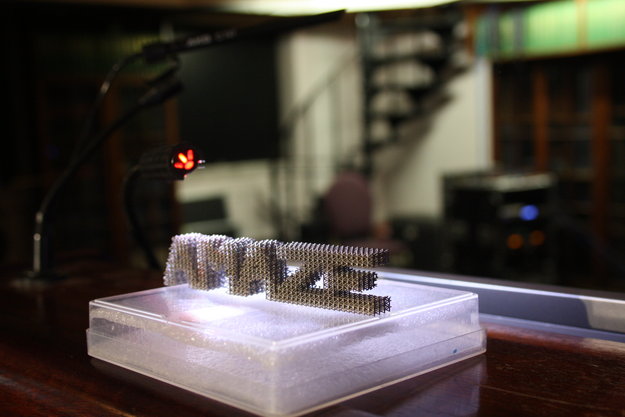
Its parent company, EADS, is a key partner in the European Space Agency’s AMAZE project to perfect the printing of space-quality metal components.

AMAZE, or Additive Manufacturing Aiming Towards Zero Waste and Efficient Production of High-Tech Metal Products, involves 28 industrial partners. AMAZE

The 3D printing technology offers greater manufacturing flexibility as well as cost- and weight-saving potential. Other aerospace companies, including engine manufacturers General Electric and Rolls-Royce, are also testing it.

Airbus made the announcement on Wednesday as the company and the Massachusetts Institute of Technology signed an agreement to explore the use of digital manufacturing in the aerospace industry.

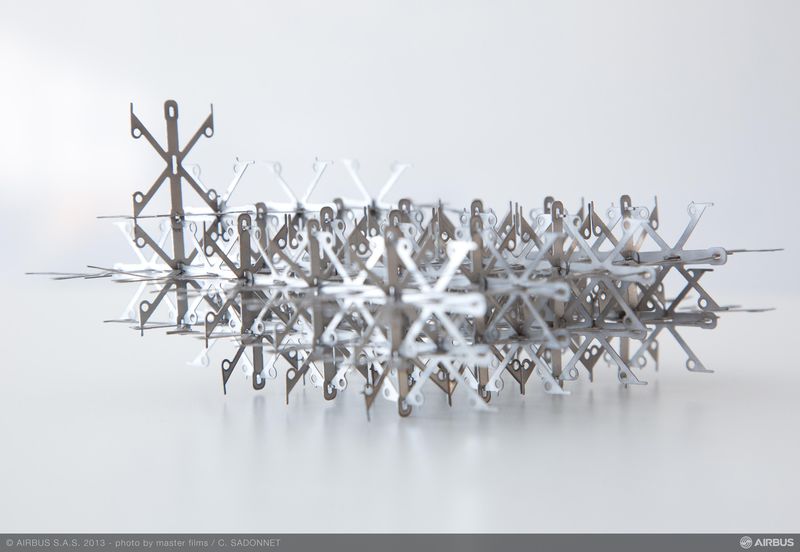
The company will work with MIT’s Center for Bits and Atoms  to evaluate how the digital material concepts being developed at the institute can potentially be applied to the design and construction of aerospace vehicles.

Metallic digital material.

Metallic digital material.

“The agreement with MIT opens up an interesting collaboration with a cutting-edge research partner,” said Axel Krein, senior vice-president of research and technology at Airbus.Neil Gershenfeld is the director CBA.

“We’re delighted to welcome Airbus as CBA’s newest member, with a focus on aerospace applications of digital fabrication,” he said.

Airbus believes digital material technology could lead to a totally new way of assembling airplanes and may offer substantial benefits, including lighter aircraft structures as well as lower construction and assembly costs.

Images are courtesy of Airbus and ESA.

Tags

Aviation Boeing Bombardier Buisness Business Business Aircraft Business Aviation Canada Cities CS100 CS300 CSeries Culture Dreamliner Dubai Dubai Airshow Embraer Emirates Environment Le Bourget Lufthansa Luxury Travel NBAA News Paris Paris Air Show Politics Qatar Airways Social Technology Toronto Tourism Transport Travel UAE

Categories

Follow me on Twitter

My Tweets

Archives

  • June 2026
  • March 2026
  • August 2025
  • May 2025
  • March 2025
  • January 2022
  • January 2021
  • September 2020
  • April 2020
  • February 2020
  • January 2020
  • December 2019
  • November 2019
  • October 2019
  • May 2019
  • February 2019
  • May 2018
  • June 2016
  • January 2016
  • December 2015
  • November 2015
  • October 2015
  • September 2015
  • August 2015
  • July 2015
  • June 2015
  • May 2015
  • April 2015
  • March 2015
  • February 2015
  • January 2015
  • December 2014
  • November 2014
  • September 2014
  • August 2014
  • July 2014
  • June 2014
  • May 2014
  • April 2014
  • February 2014
  • January 2014
  • December 2013
  • November 2013
  • October 2013

Website Powered by WordPress.com.

  • Subscribe Subscribed
    • The Air Dispatch
    • Join 127 other subscribers
    • Already have a WordPress.com account? Log in now.
    • The Air Dispatch
    • Subscribe Subscribed
    • Sign up
    • Log in
    • Report this content
    • View site in Reader
    • Manage subscriptions
    • Collapse this bar

Loading Comments...