Tags
Airbus, Aviation, Aviation Services, Boeing, Business, Labour, News, Technology, Transport, Travel
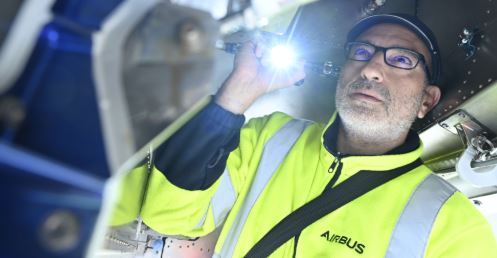
TOULOUSE, France – The global aviation services market is expected to double in value to $422 billion by 2045, driven by fleet expansion and growing demand for maintenance, digital solutions and workforce training, Airbus said Wednesday.
The market will grow at a compound annual rate of 3.8% from $209 billion in 2026, supporting a commercial aircraft fleet of more than 45,550 aircraft and nearly 10 billion annual passenger journeys by 2045, according to the European aircraft manufacturer’s Global Services Forecast.
The industry will need 2.44 million additional aviation professionals over the next 20 years, including 730,000 maintenance technicians, 660,000 pilots and 1.05 million cabin crew members, the report said.
Off-wing maintenance, including engine and component repairs, will account for the largest share of the market, reaching $217 billion by 2045. Digital services and connectivity will be the fastest-growing segment, expanding at an annual rate of 5.3% to $27 billion.
Airbus expects Europe and the Commonwealth of Independent States, North America and China to remain among the largest services markets. Asia is projected to record the fastest growth.
The forecast covers passenger aircraft with more than 100 seats and freighters with payload capacities exceeding 10 tonnes, regardless of manufacturer, Airbus said.

Boeing, in a separate report released in July, projected the global commercial aviation support and services market would reach $4.9 trillion over the next 20 years.
The American manufacturer also estimated the industry would need more than 2.4 million new aviation personnel by 2045, with about two-thirds of the demand replacing retiring workers.



 “This assessment will enable us to fund long-term leases of the new eco residence complex, located in Abu Dhabi’s Masdar City innovation precinct, and will serve as the foundation for Etihad to fund future sustainable initiatives.”

 Bombardier is building a new final assembly facility at Toronto’s Pearson International Airport for its Global business jets.


 Japan’s biggest airline has been celebrating a milestone – its 100,000th revenue flight with the
 Twenty

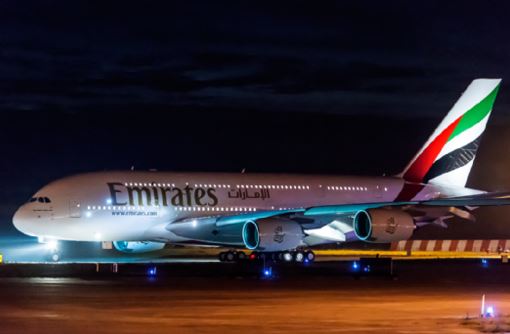
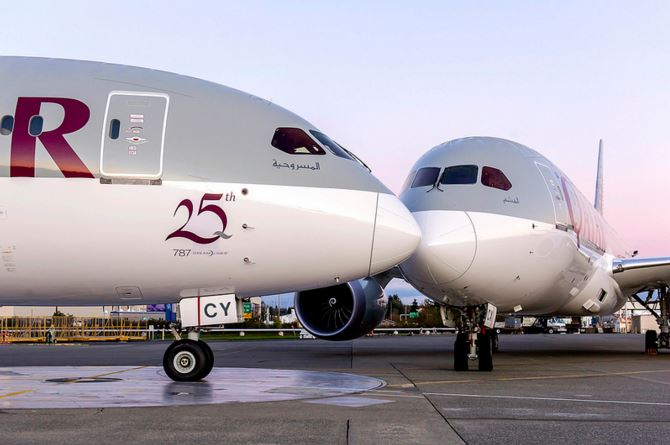
 “We are fully committed to flying a modern fleet that is better for the environment, and provides our customers with a superior level of comfort and safety,” said company president Sir Tim Clark (left).
 The world’s largest aircraft manufacturer is collaborating with Canada’s aviation industry, the
 Under the latest initiative, a consortium that includes Boeing,
 “Sustainable aviation biofuel will play a critical role in reducing aviation’s carbon emissions over the long term,” said Julie Felgar, managing director of environmental strategy and integration at Boeing Commercial Airplanes.
 The

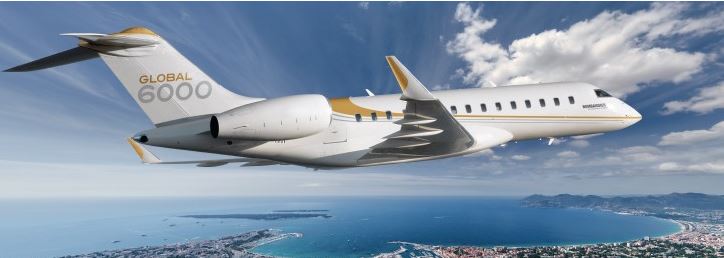
 The service will be available on new Global 5000, Global 6000, Global 7000 and Global 8000 aircraft.
 “Our Global aircraft can link virtually any key city pair worldwide, non-stop, at close to the speed of sound, and the Bombardier WAVE system is intended to match this performance with its exceptional speed, promise of reliability and worldwide reach,” said David Coleal (left), president of Bombardier Business Aircraft.
 The system leverages Honeywell Aerospace’s JetWave hardware and Inmarsat’s JetConneX solution to deliver high-speed access, consistent performance and seamless coverage across the globe, Bombardier said.
 “Our JetWave hardware, coupled with Inmarsat’s JetConneX solution, is ushering in a new era of connectivity in the skies,” said Kristin Slyker, vice-president at Honeywell Aerospace.