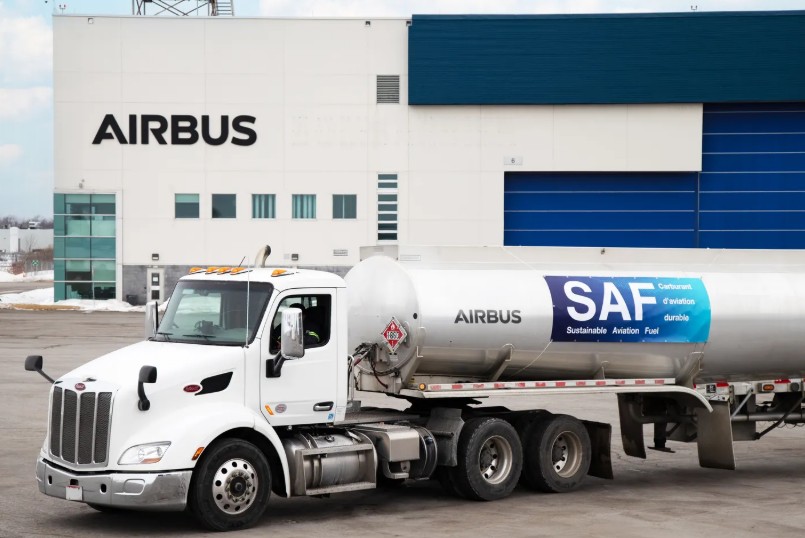
FARNBOROUGH, England – Airbus and Air Canada announced plans Monday to establish a co-investment platform to support the development of a commercial-scale sustainable aviation fuel (SAF) industry in Canada.
The companies said at the Farnborough International Airshow that they intend to invest up to C$13.7 million (US$10 million) through the platform to help advance a Canadian SAF project toward a final investment decision.
Airbus and Air Canada said they will continue working with government partners and the Canadian Council for Sustainable Aviation Fuels to support policies intended to expand domestic SAF production.
Sustainable aviation fuel is made from renewable or non-fossil feedstocks and can reduce life-cycle greenhouse gas emissions compared with conventional jet fuel.
Because it can be used in existing aircraft and fueling infrastructure, it is considered one of the aviation industry’s primary options for reducing emissions.
The announcement coincided with the release of a study by Airbus and consulting firm ICF examining Canada’s sustainable aviation fuel production potential.
The study said producing enough SAF to meet 40% of Canada’s aviation fuel demand by 2040 could add C$32 billion to Canada’s gross domestic product and support 140,000 jobs.
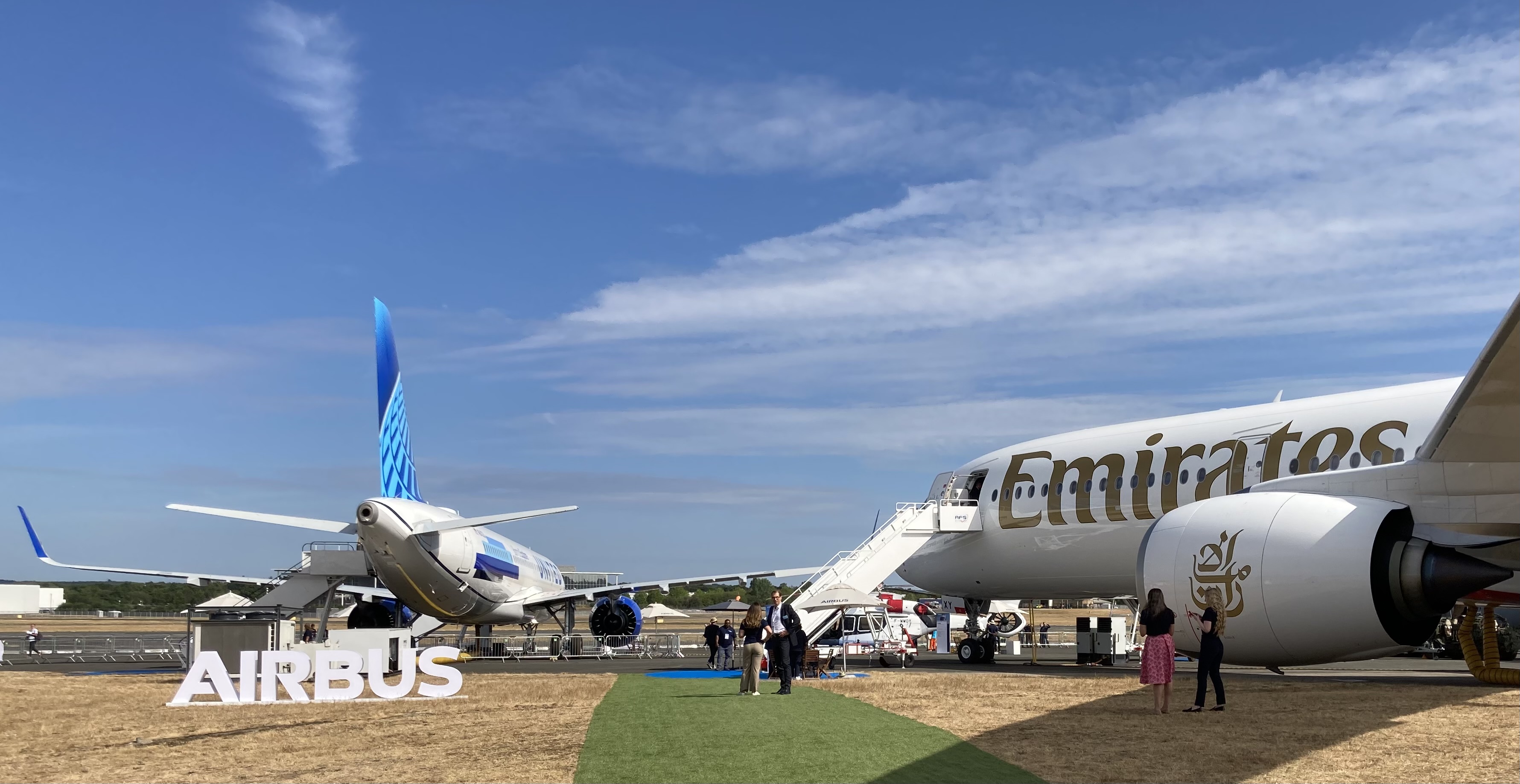
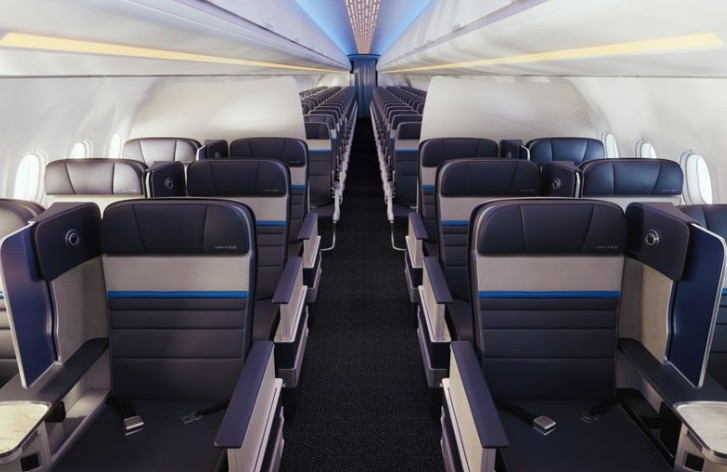
Both aircraft highlight new cabin features. The United jet includes a row of Economy Plus seats with additional elbow room and access to a shared table positioned across an open middle seat.
United said this month it expects to offer the new seating option across its entire order of 50 A321XLRs. The airline is also exploring similar seating concepts for other aircraft types in the future.
The Emirates A350 features spacious Economy Class seating, Premium Economy cabins and upgraded Business Class seats.
Photo: Abdul Latheef
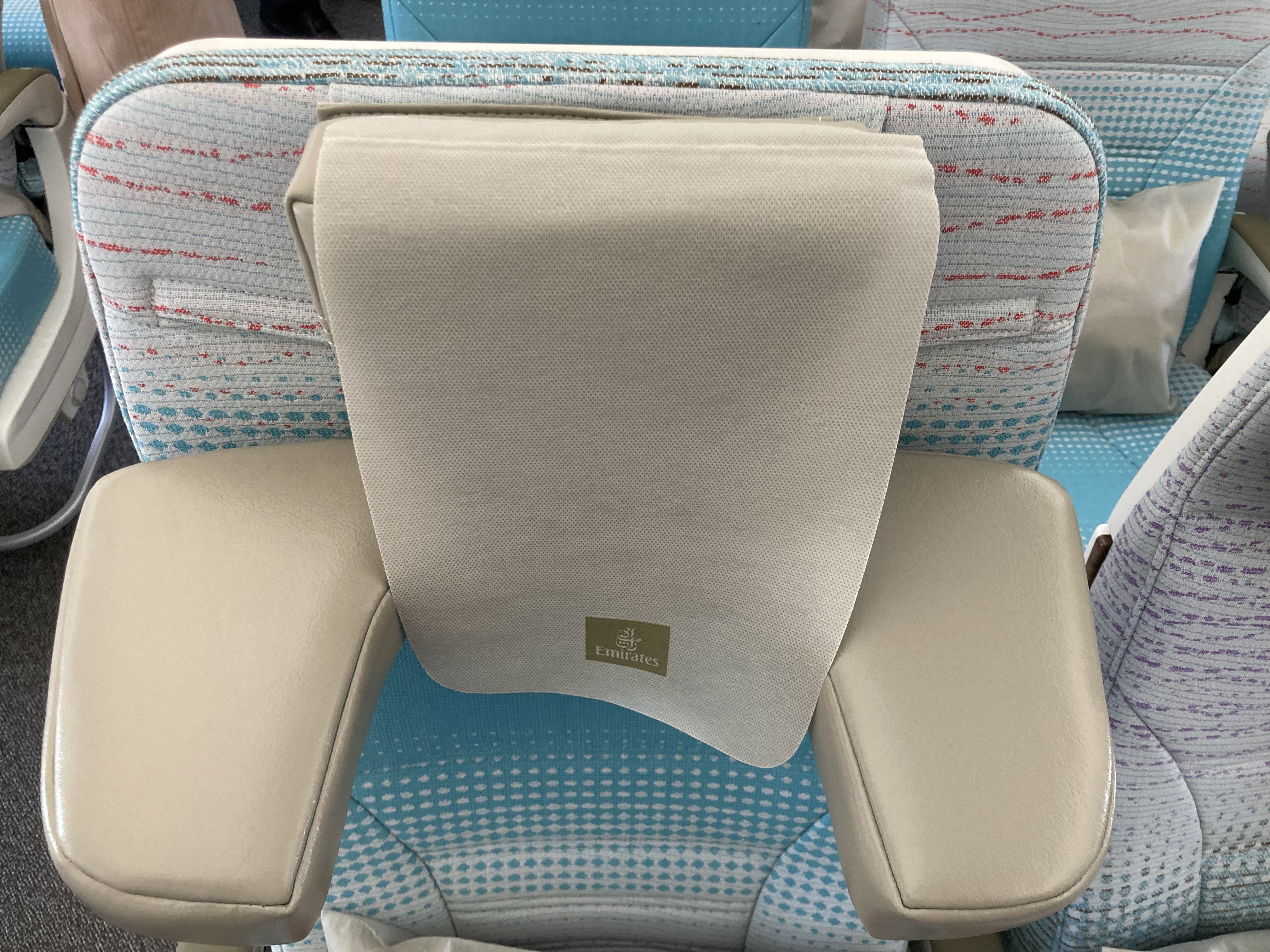
Its Economy Class cabin includes adjustable headrests that Emirates describes as an industry first. The U-Dream headrest folds down to provide support for passengers’ heads and necks on both sides and can be adjusted in multiple positions for comfort.
Emirates currently operates 13 Airbus A350-900 aircraft. The airline will receive another 60 by 2031.
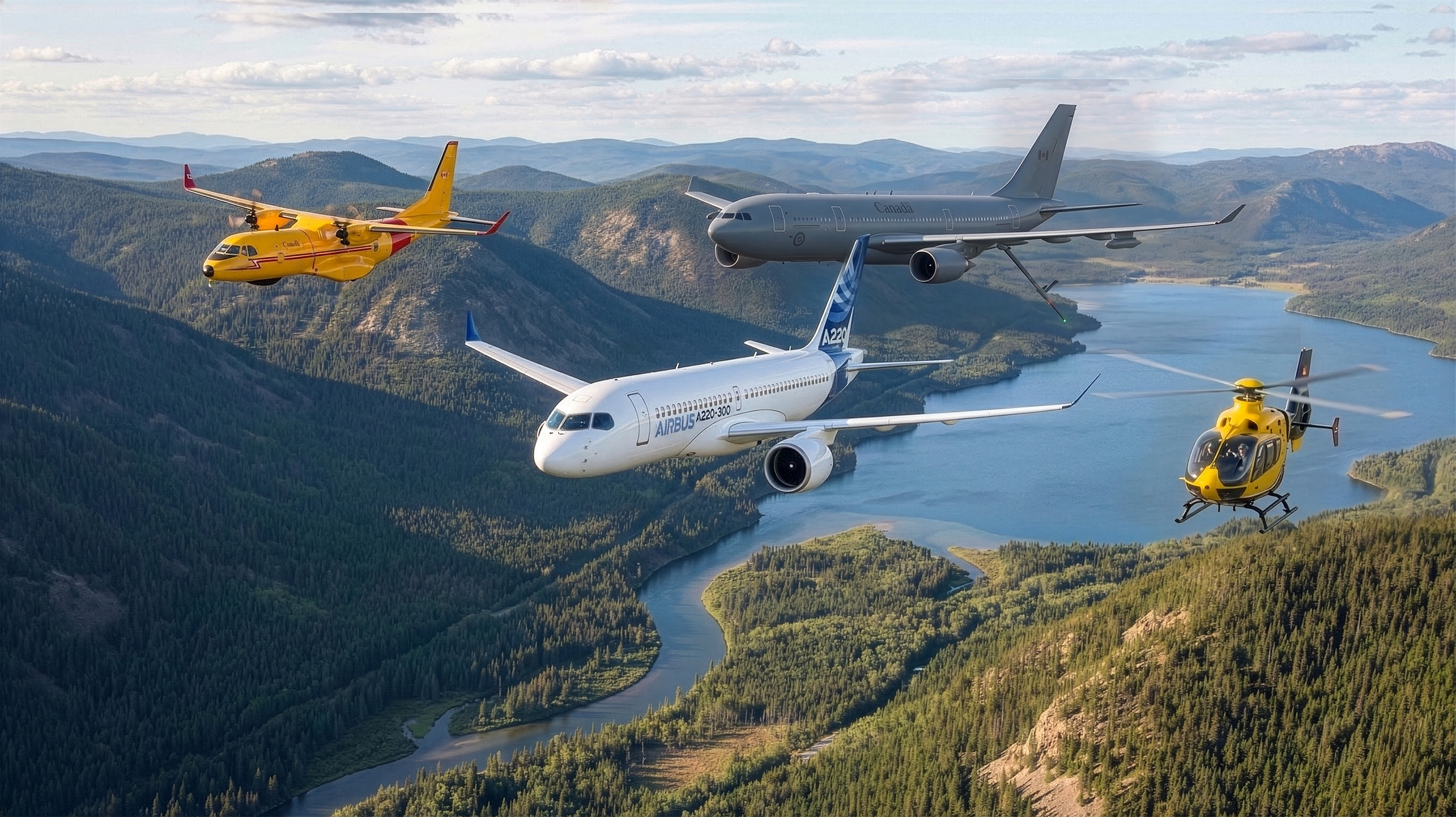
Canada is where Airbus has the most significant presence outside Europe. Airbus photo.
MIRABEL, Que. – Airbus Canada on Thursday released a report saying its operations generated an estimated C$8.4 billion in Canadian gross domestic product between 2023 and 2025 and supported nearly 60,000 job-years over the period.
The report, commissioned by Airbus Canada and prepared by accounting firm PwC Canada, found the European aircraft manufacturer supported an average of about 20,000 jobs annually during the three-year period.
Last year, Airbus spent more than $2.2 billion on its Canadian operations with about 70% of that spending going to domestic suppliers serving both civil and military markets.
The company works with about 1,000 suppliers in Canada, more than half of them small and medium-sized businesses, it said.
“Today, Canada is where Airbus has the most significant presence outside Europe with all its business units — defence and space, helicopters and commercial aircraft — being present,” said Airbus Canada CEO Guillaume Chevasson.
The report also found the average income of an Airbus employee in Canada is about 60% higher than the national average across all industries.
Airbus employs more than 5,300 people in Canada, primarily in Quebec, Ontario and Nova Scotia, with the company supporting 27% aerospace jobs in Quebec.
Its commercial aircraft business accounted for $5.5 billion of the company’s total GDP contribution between 2023 and 2025, while Airbus Helicopters contributed $237.5 million.
Airbus Defence and Space generated $778.4 million in economic spending over the same period. Subsidiaries Skywise and Airbus Atlantic Canada contributed $184 million and $617 million, respectively, according to the report.
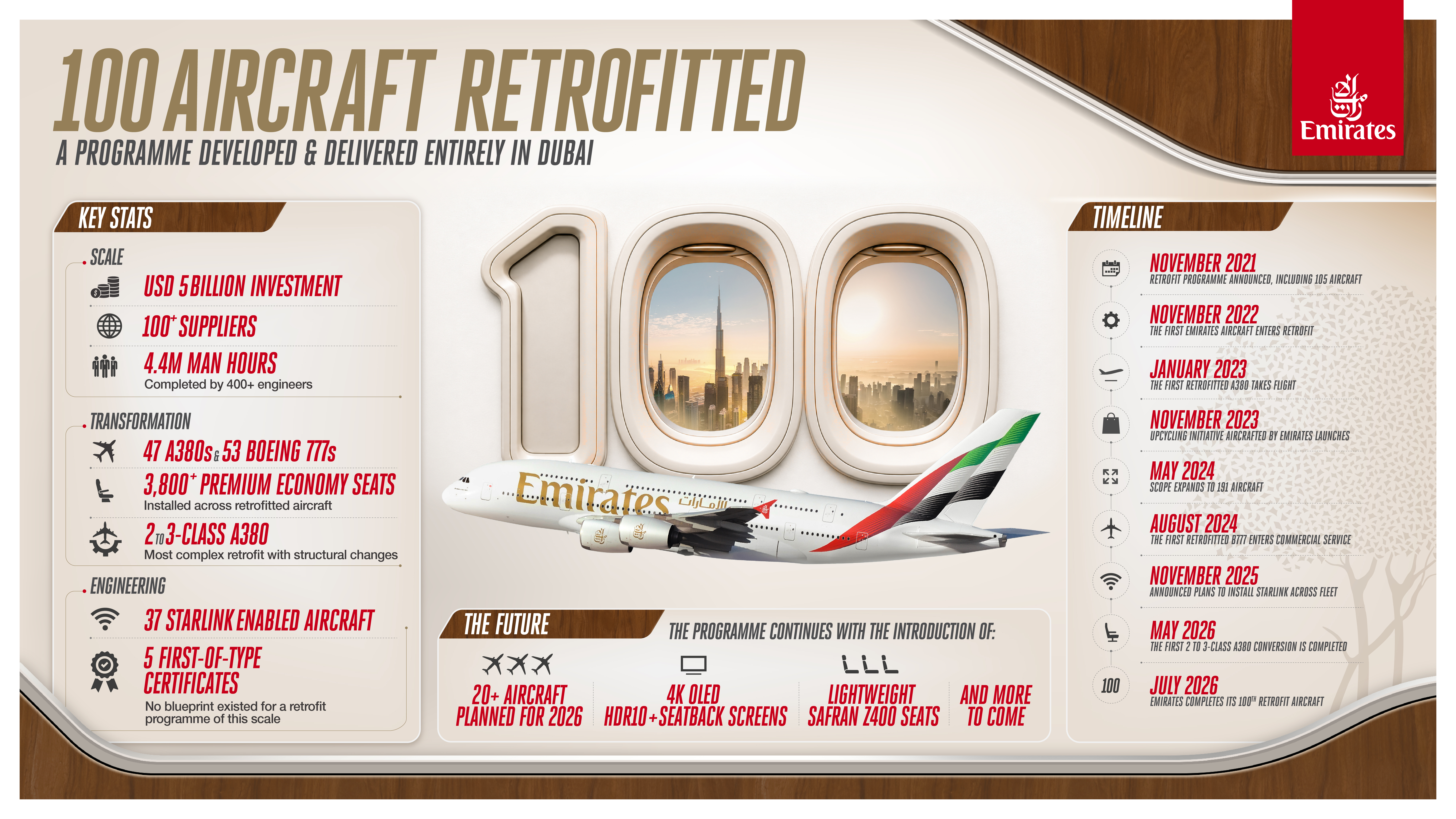
DUBAI, United Arab Emirates – Emirates has completed the refurbishment of its 100th widebody aircraft as part of a fleet retrofit program backed by a US$5 billion investment, the UAE national carrier said Tuesday.
Since the program began in November 2022, Emirates has refurbished 47 Airbus A380s and 53 Boeing 777s at its engineering facilities in Dubai. The airline expects to upgrade about 20 more aircraft by the end of 2026.
Over 44 months, more than 400 engineers and technicians spent a combined 4.4 million work hours refurbishing the aircraft.
The upgrades include refreshed cabin interiors and the installation of more than 3,800 Premium Economy seats, expanding the availability of the cabin class on additional routes across its network.
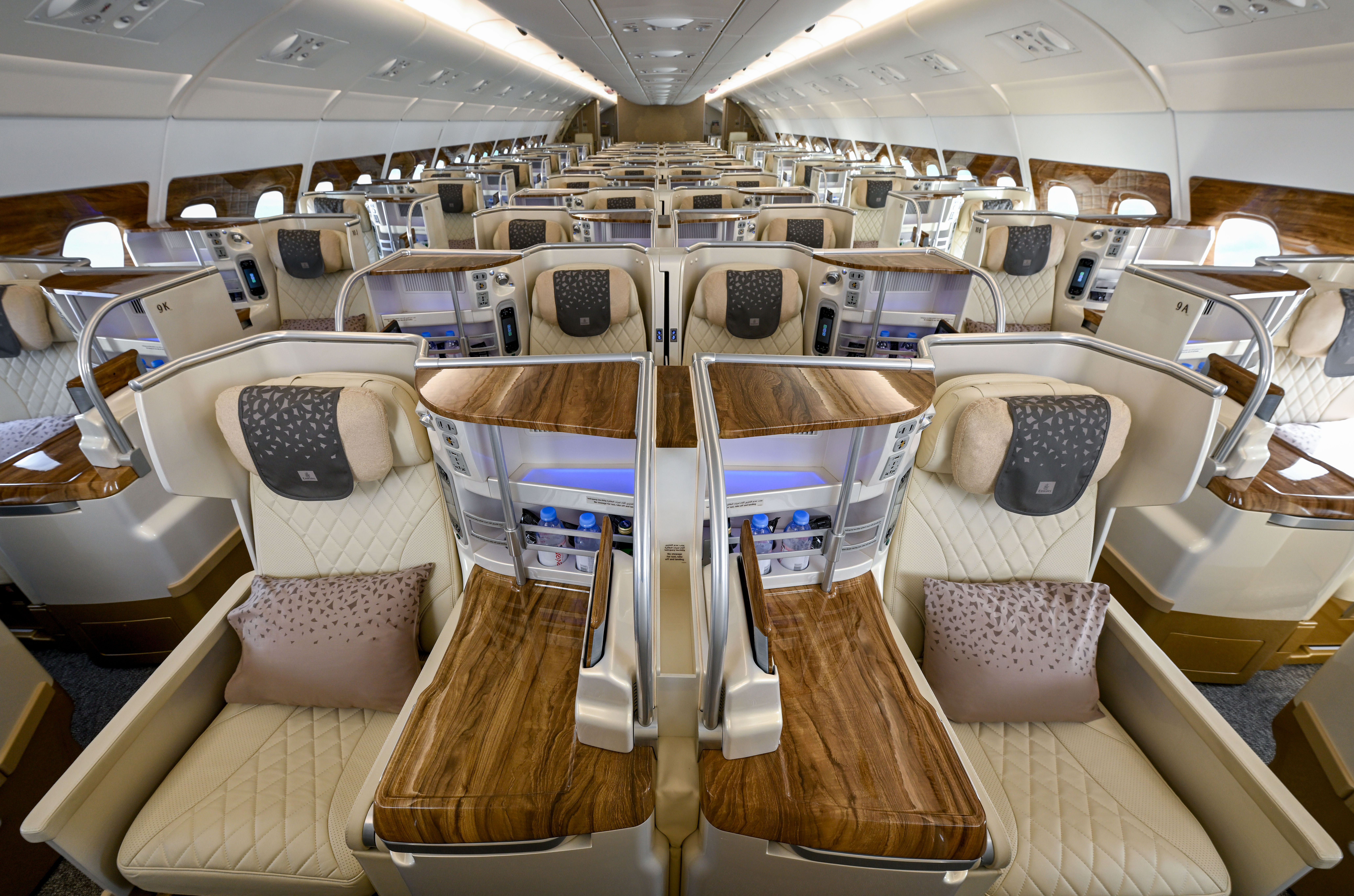
Business Class in the newly retrofitted A380 aircraft. Emirates Photo.
“Completing full cabin retrofits for 100 widebody aircraft in 44 months is a significant achievement,” Emirates President Sir Tim Clark said in a statement.
The retrofit work has been carried out at Emirates Engineering facilities in Dubai.
In May, the airline completed its first retrofit of a two-class to three-class Airbus A380, adding a Premium Economy cabin to the aircraft’s upper deck.
Beginning in October, Emirates plans to install new 4K OLED HDR10+ seatback screens and Safran Z400 seats as the retrofit program enters its next phase.
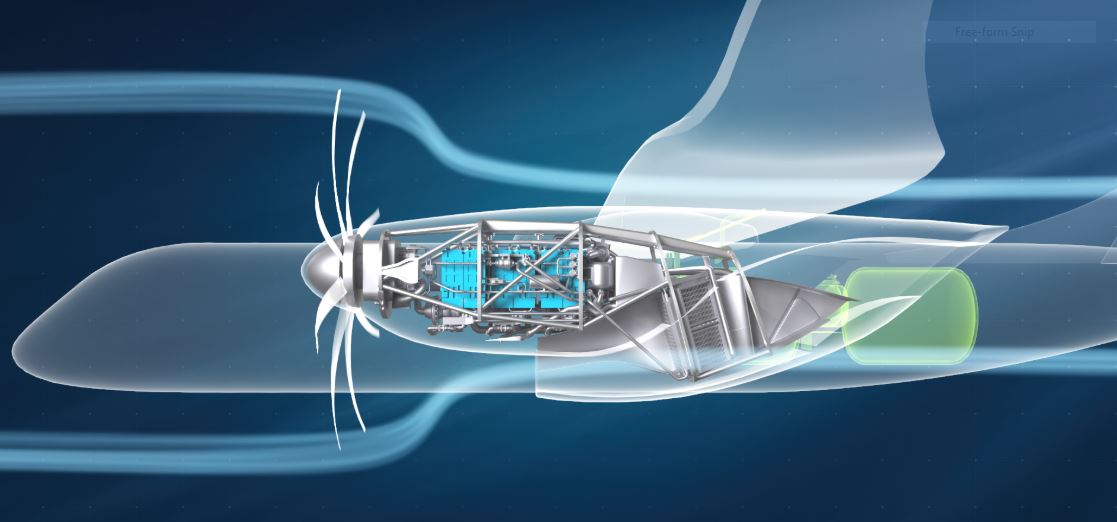
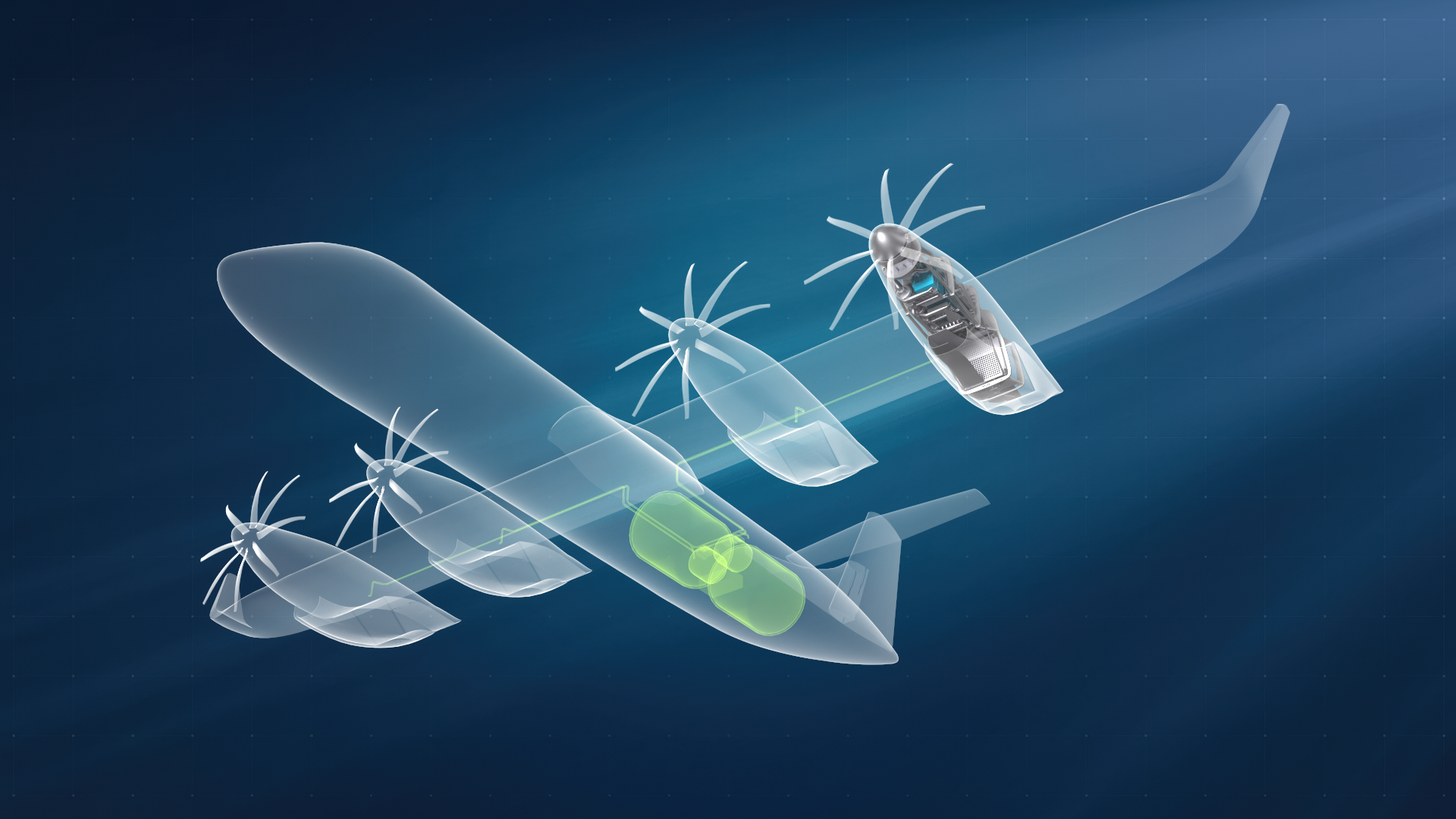
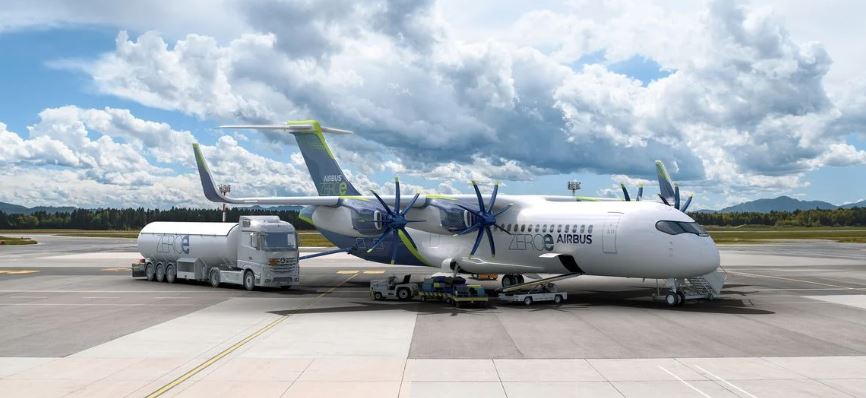
TOULOUSE, France – Airbus and MTU Aero Engines have formed a joint venture to develop and commercialize a fully electric hydrogen fuel cell propulsion system, the European aircraft manufacturer announced Tuesday, as the industry seeks to reduce its carbon emissions.
The agreement follows a Memorandum of Understanding the parties signed at the Paris Air Show last year, Airbus added.
The company has been pursuing a multi-pronged strategy to reduce aviation emissions through more fuel-efficient aircraft, greater use of sustainable aviation fuel, hydrogen propulsion, advanced aerodynamics and improved operational efficiency.
Commercial aviation generates about 2.5% of global carbon dioxide emissions, but its overall contribution to climate change is estimated at 3.5% to 4% when non-CO₂ effects such as contrails are taken into account.
The figures are based on a 2021 study published in Atmospheric Environment and cited by the Intergovernmental Panel on Climate Change.
“By establishing a dedicated and highly agile organizational set-up, the partners aim to accelerate technology development, design, testing and certification of a revolutionary propulsion system for aviation based on a hydrogen fuel cell,” Airbus said. “The new entity will be supported by Airbus and MTU with all their competences and through various engineering and manufacturing teams from both organizations.”
The joint venture is expected to start operations next year, although the deal is non-binding and subject to regulatory approvals, Airbus said.
Stefan Weber, senior vice president of engineering and technology at MTU, described the initiative as a key step toward developing the company’s first hydrogen-powered aircraft engine.
He said the project demonstrates Europe’s technological leadership in hydrogen propulsion and supports MTU’s ambition to establish a business spanning the entire fuel cell powertrain life cycle, from development and testing to certification and commercial deployment.
Hydrogen fuel cells generate electricity through an electrochemical reaction between hydrogen and oxygen, producing only water vapor as a by-product. The technology could eliminate inflight CO₂ and nitrogen oxide emissions.
Early last year, Airbus said it would focus its hydrogen research on a fully electric fuel cell propulsion system after prototype and powertrain testing validated the technology’s potential.

 The Air Dispatch