
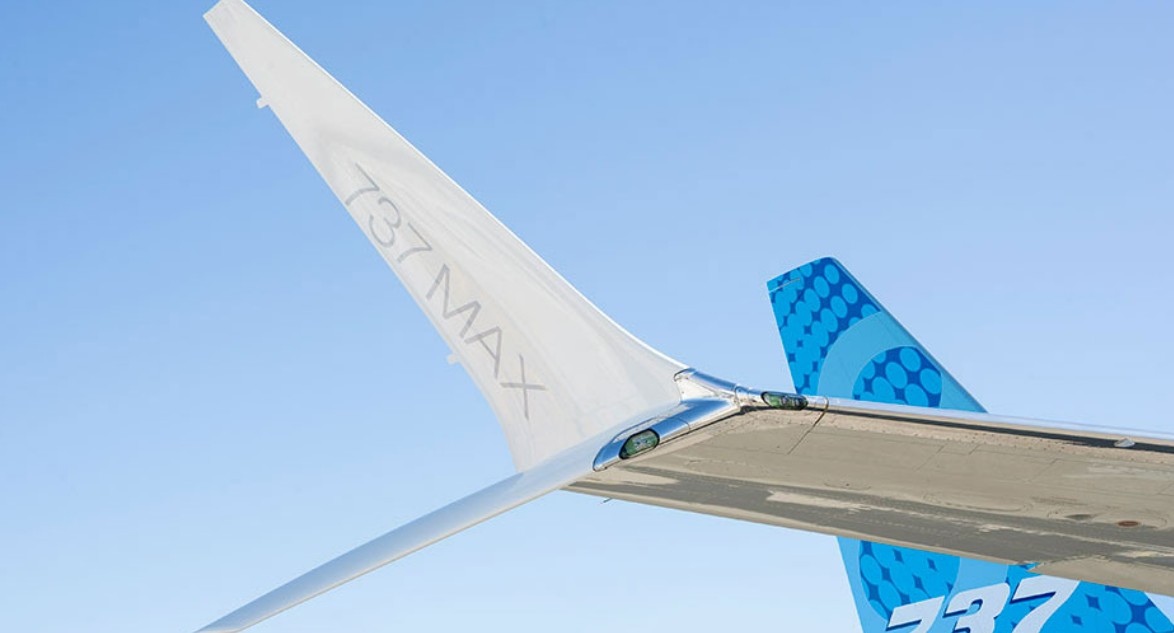
WASHINGTON – The U.S. Federal Aviation Administration has ordered inspections of hundreds of Boeing 737 MAX airplanes after determining that fatigue cracking could develop in a key structural reinforcement, potentially affecting the aircraft’s structural integrity.
The airworthiness directive, published Thursday in the Federal Register, applies to 471 U.S.-registered Boeing 737-8, 737-9 and 737-8200 airplanes. It becomes effective Sept. 10.
The directive requires operators to determine whether repairs have previously been made to the fuselage skin at the forward upper corner of the forward galley door cutout. Depending on the findings, airlines must carry out repetitive external inspections for cracking of the fuselage skin and the underlying bear strap, a structural reinforcement designed to help carry fuselage loads. Any cracking found must be repaired before further flight using a method approved by the FAA.
The FAA said the action was prompted by reports of bear strap cracking on Boeing 737 Next Generation airplanes. Although the agency said no cracking has been reported on 737 MAX aircraft, it determined that the MAX fleet is subject to the same unsafe condition because the affected structure has a similar design and manufacturing process.
According to the directive, cracks in the bear strap and fuselage skin could reduce the ability of a principal structural element to carry required loads. If left undetected, the damage could grow and compromise the structural integrity of the airplane.
The FAA estimated the required inspection to determine whether a repair exists would take about one work-hour per airplane. Additional inspections and any corrective actions would depend on the aircraft’s configuration and inspection results.
The agency estimated the cost of the initial inspection across the U.S. fleet at about $40,000, excluding any repairs that may be required.
The directive adopts requirements previously proposed by the FAA after the agency concluded the inspections were necessary to address the potential unsafe condition.
The directive comes days after the FAA certified Boeing’s 737-7, the smallest member of the 737 MAX family, for commercial service following what the agency described as years of work to resolve technical issues and complete its review of the aircraft’s design and safety analyses.
 The Air Dispatch