Tags
Aviation, Boeing, Bombardier, Business, Business Aircraft, Embraer, Global 7000, Global 8000, Luxury Travel, News, Niki Lauda, Transport, Travel
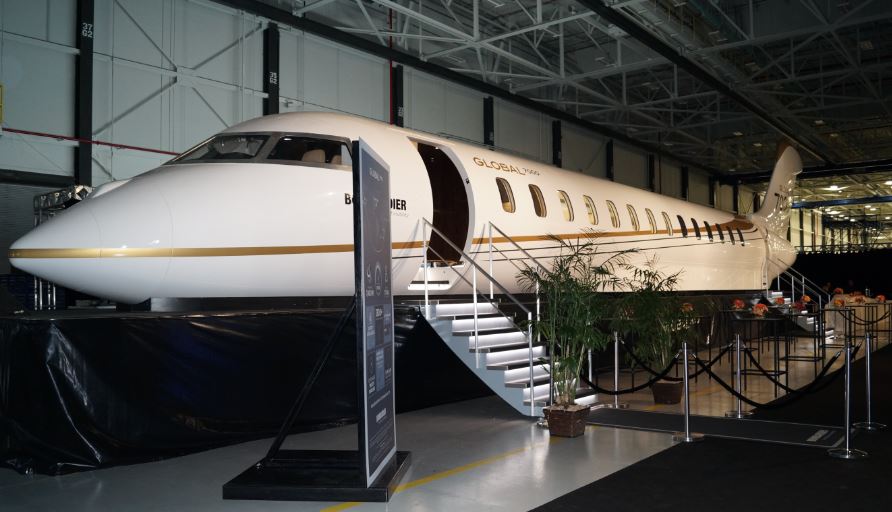
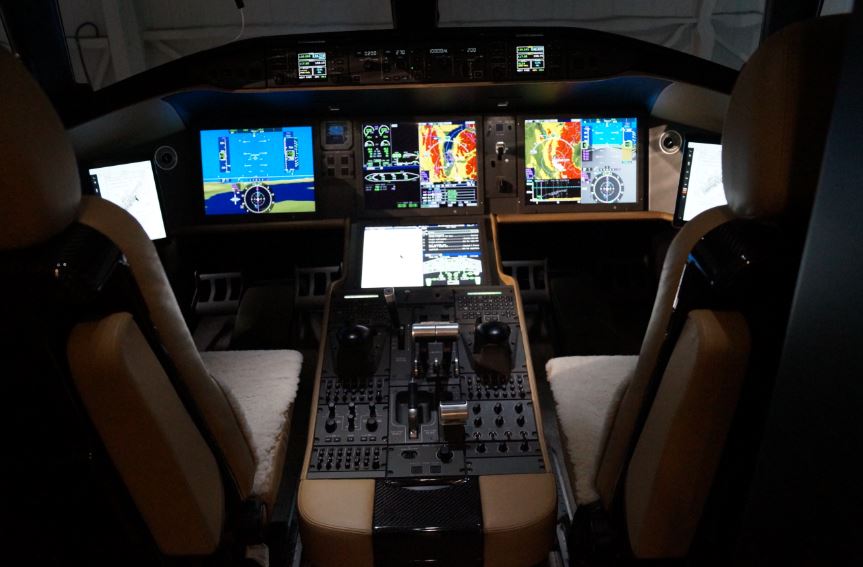
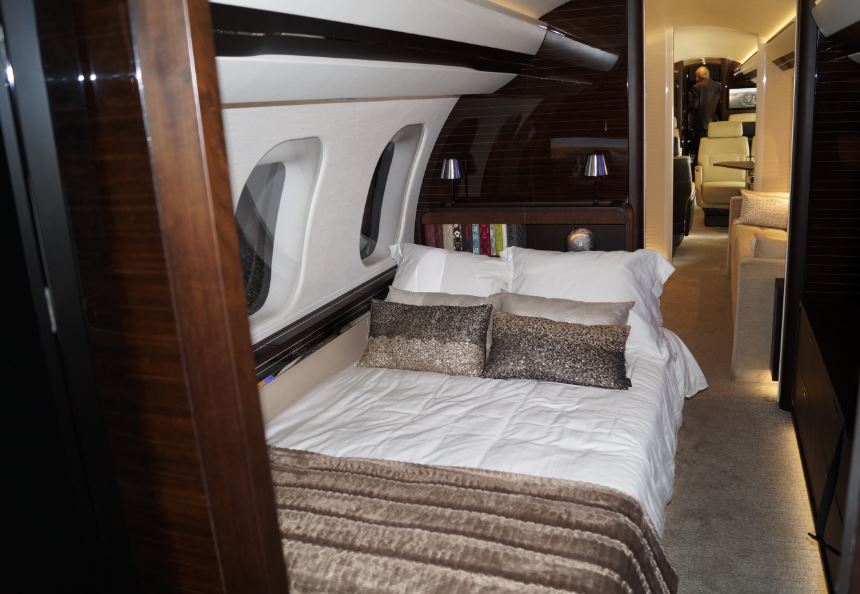
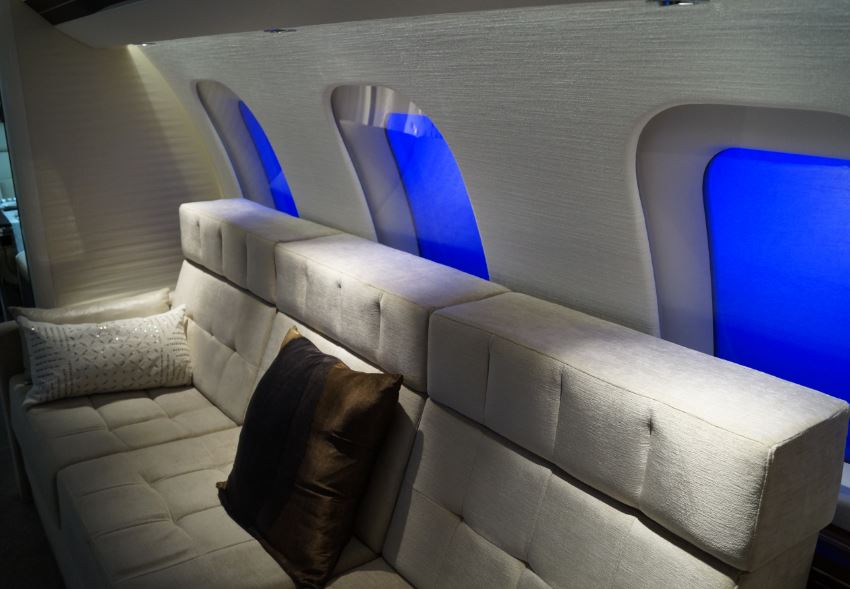
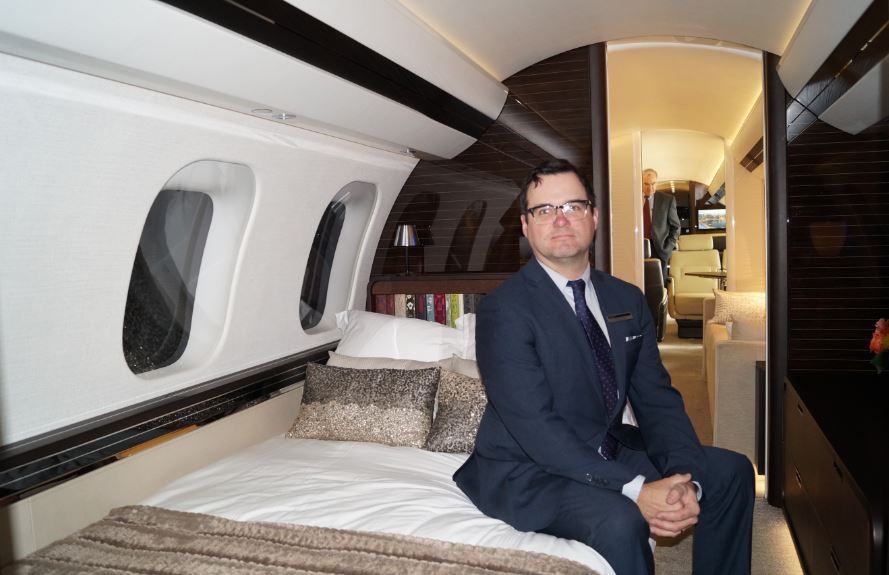
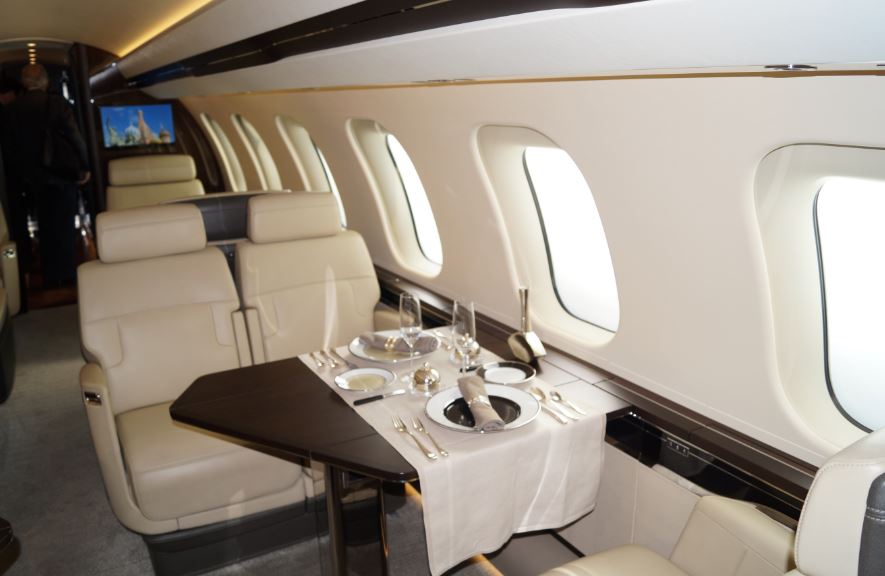
Images from the Global 7000 media event in Toronto on Tuesday. All photos are by Abdul Latheef.

03 Tuesday Nov 2015
Posted in Airbus, Airlines, Airports, Aviation, Boeing, Bombardier, Business, Business Aircraft, Embraer, Global 7000, Global 8000, Luxury Travel, Niki Lauda, Transport, Travel
Tags
Aviation, Boeing, Bombardier, Business, Business Aircraft, Embraer, Global 7000, Global 8000, Luxury Travel, News, Niki Lauda, Transport, Travel
Images from the Global 7000 media event in Toronto on Tuesday. All photos are by Abdul Latheef.
01 Sunday Nov 2015
Tags
Aviation, Boeing, Bombardier, Business, CS100, CS300, CSeries, Dubai, Dubai Airshow, News, Tourism, Transport, Travel

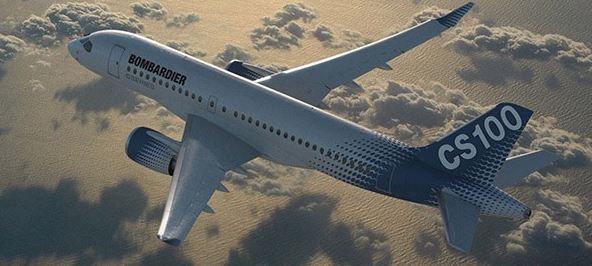 Bombardier will be showing off a few of its airplanes at next week’s Dubai Airshow, but the brand new CSeries aircraft will not be among them.
A list of aircraft that will be on display at the show released by the organizers does not include the CS100 or the CS300.
Instead, the Canadian manufacturer is sending the Q400 turboprop, Learjet 75, Challenger 350 and Global 6000 to one of the world’s premier airshows.
The CSeries aircraft made their airshow debut in Paris this summer, but Bombardier was unable to win any new orders at Le Bourget.
Cost overruns, long delays and most crucially a lack of new orders have beset the CSeries program.
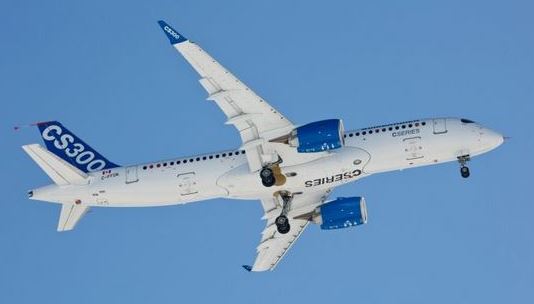 In an effort to resuscitate the CSeries, the Quebec government announced last week that it will invest US$1 billion in the program in exchange for a 49.5 per cent stake in a newly-created partnership.
“This partnership comes at a pivotal time, with the CSeries on the verge of certification,” said Alain Bellemare, president and CEO of Bombardier Inc., in announcing the deal.
“The market is there, our leadership is in place, we have the best product and with the support of the government, we are ready to make this aircraft a commercial success.”
Quebec has also asked the Canadian federal government to match its investment in the single-aisle aircraft project.
The CS100 can carry up to 125 people while the bigger version, the CS300, is meant for up to 160.
In all, Bombardier has won 243 firm orders for the CSeries aircraft, 180 of them for the CS300.
 The Dubai Airshow runs from Nov. 8 through Nov. 12.
The organizers say more than 160 commercial, business and military aircraft will be on display at the show.
Orders worth more than US$200 billion were announced at the last show in Dubai, but analysts say no mega deals are expected this time.
Images are courtesy of Dubai Airshow and Bombardier.
01 Thursday Oct 2015
Tags
Aviation, Business, Iceland, Montreal Airport, News, Pearson Airport, Reykjavik, Toronto, Tourism, Transport, Travel, WOW air
 Iceland’s only low-cost airline is making an irresistible offer to Canadians travelling to Reykjavik: $99 one way from Toronto or Montreal, tax included!
For an additional $149, passengers can travel one way to several destinations in Europe, including London, Paris, Berlin, Copenhagen and Amsterdam.
WOW air made the announcement in Toronto on Thursday ahead of the launch of flights from Toronto and Montreal in May.
Service from Montreal’s Pierre Elliott Trudeau will begin May 12 and Toronto’s Pearson on May 20. The flights will be operated, using a fleet of Airbus A320 family aircraft, on Monday, Wednesday, Friday and Sunday.
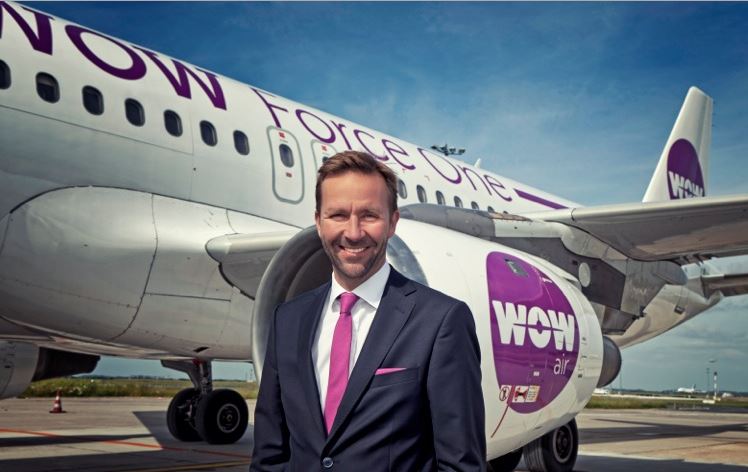 “WOW air prides itself on offering the lowest fares possible as well as the biggest smile and the friendliest service,” said Skuli Mogensen (right), owner and CEO.
“I’m thrilled to now announce our new routes to Canada, especially as I lived in Montreal for nearly a decade and also because the Icelandic people feel a special affinity for Canada.”
The airline said its entry into the Canadian market was expected to create an estimated 100 jobs.
Launched in November 2011, WOW air flies from Reykjavik to 20 destinations in Europe and the United States.
Its expansion into the Canadian market follows the launch of transatlantic services from Boston and Washington, D.C., in early 2015, the airline said.
 “We have just had our best summer ever and, with these new routes launching in May 2016, next summer is another chance to break records,” said Mogensen.
“These great Canadian cities will become our newest destinations but I look forward to announcing even more in the not-too-distant future!”
All images are courtesy of WOW air.
28 Monday Sep 2015
 “Congratulations ISRO! We’re happy to be on board,” the Canadian Space Agency tweeted Monday morning after India successfully launched a dedicated space observatory aimed at studying celestial objects.
The 1.5-tonne Astrosat was placed into orbit by the Polar Satellite Launch Vehicle, the Indian Space Research Organization said.
The PSLV also launched six foreign satellites, including a nanosatellite from the University of Toronto’s Space Flight Laboratory.
“This scientific satellite mission endeavours for a more detailed understanding of our universe,” ISRO said.
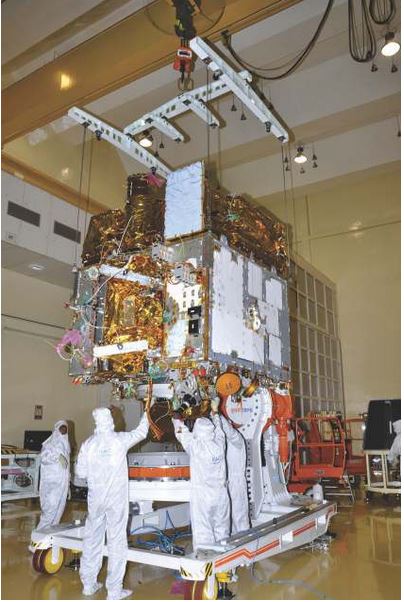 “Astrosat is designed to observe the universe in the visible, ultraviolet, low and high energy X-ray regions of the electromagnetic spectrum simultaneously with the help of its five payloads,” the space agency said.
One of those payloads, the Ultraviolet Imaging Telescope, was built in collaboration with the Canadian Space Agency.
Dr. John Hutchings of the National Research Council Canada is the principal investigator for Canada’s contribution.
Hutchings co-led the development of the three Canadian detectors for the UVIT, CSA said.
“By exploring distant galaxies in ultraviolet light, we can study the formation and life cycle of galaxies, as well as star formation within galaxies. That’s one of the science drivers of this project,” it quoted Hutchings as saying.
 Canada’s participation in Astrosat entitles Canadian scientists to observation time on the satellite, the agency said.
The PSLV is the workhorse of the Indian space program. It has launched 84 satellites since 1994, including 51 for customers abroad.
Images are courtesy of ISRO.
10 Thursday Sep 2015
Tags
Aviation, Boeing, Bombardier, Business, Canada, CS100, CS300, CSeries, EASA, Embraer, Environment, FAA, ICAO, News, Toronto, Tourism, Transport, Travel, TSB
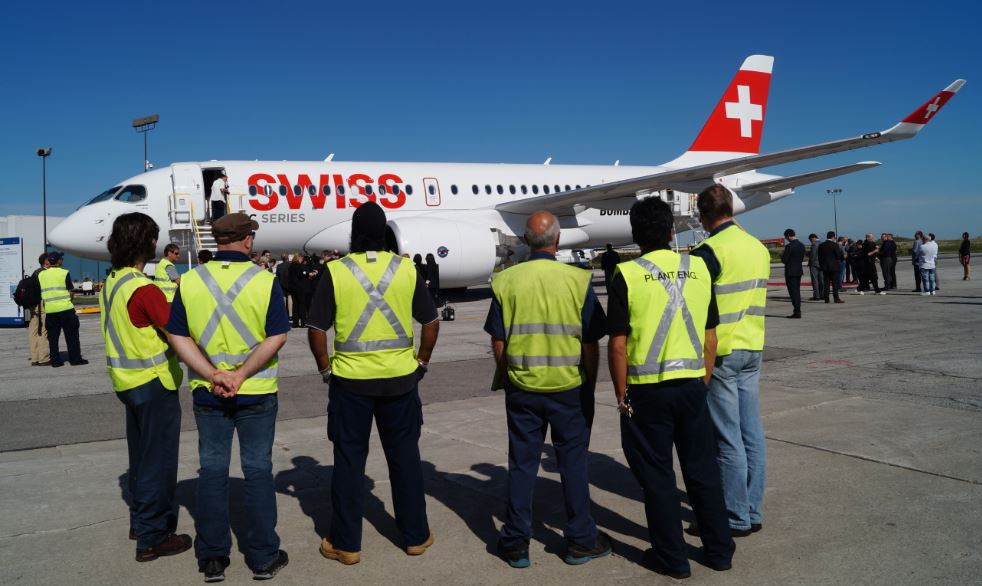
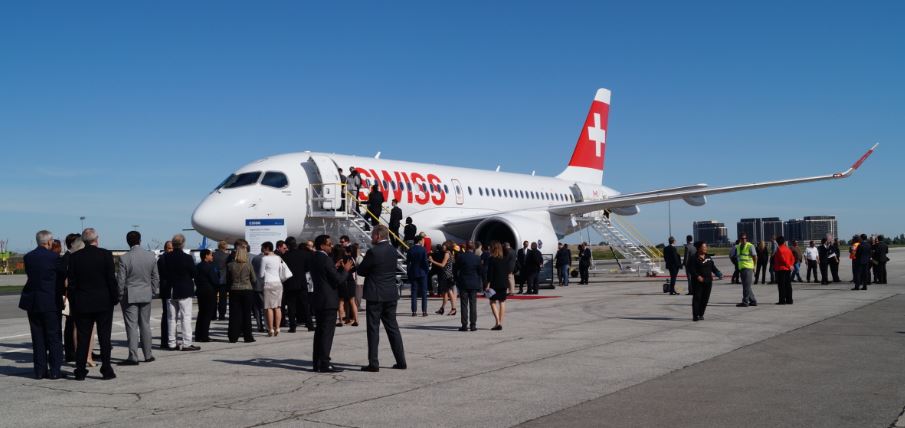
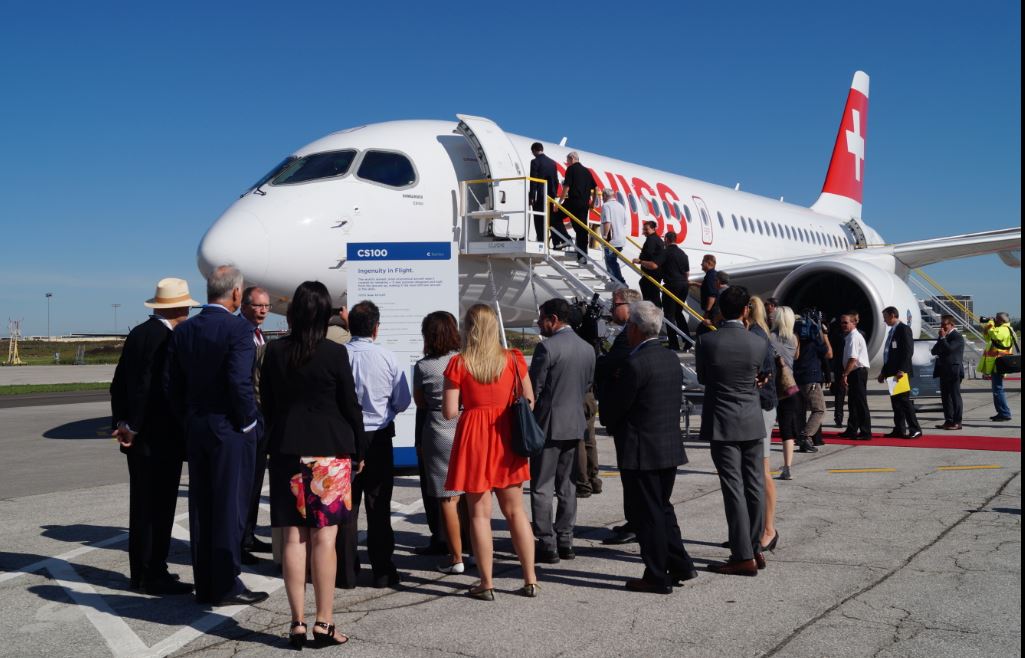
The message was loud and clear as the all-new Bombardier CS100 made its Toronto debut Thursday: It’s the quietest aircraft in its class.
The company told a gathering of government officials and airline executives that the “aircraft’s noise performance and its outstanding short-field capability make it ideal for city centre operations.”
The CS100 is the smaller version in the CSeries and is on course for certification later this year.
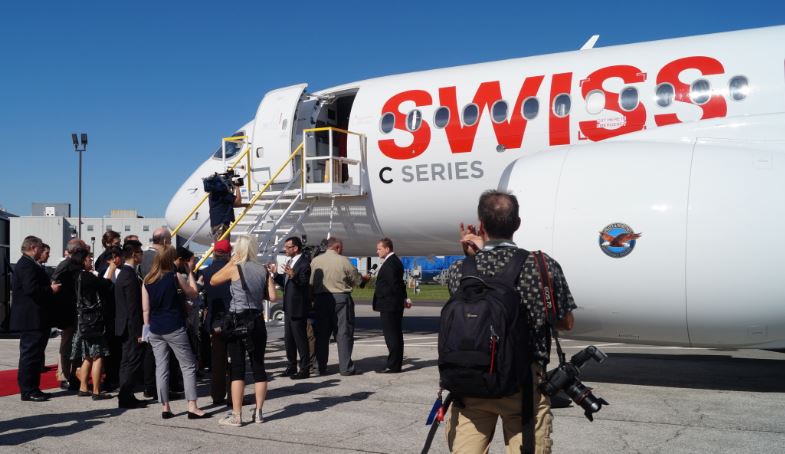
The aircraft that debuted in Toronto was in the colours of launch customer SWISS, or Swiss International Air Lines, and is expected to make the first commercial flight before the middle of next year.
The CS100 can carry up to 125 people while the bigger version, the CS300, is meant for up to 160.
It is not the first time Bombardier is stressing the efficiency of the aircraft. Just before this year’s Paris Air Show, the company declared that the performance of the CSeries was “better than advertised.”
“We announced previously that the CSeries aircraft are exceeding their original targets for fuel burn, payload, range and airfield performance,” said Rob Dewar, vice-president of the program.
“Now we are delighted that the CS100 aircraft’s noise performance tests have confirmed it as the quietest in-production commercial jet in its class.”
The company said the first production CS100 will soon start function and reliability testing, signalling the start of the final flight testing phase.
 “For these tests, the aircraft will operate on a commercial airline type of schedule from key airports in North America.”
In all, Bombardier has won 243 firm orders for the CSeries aircraft, 180 of them for the CS300.
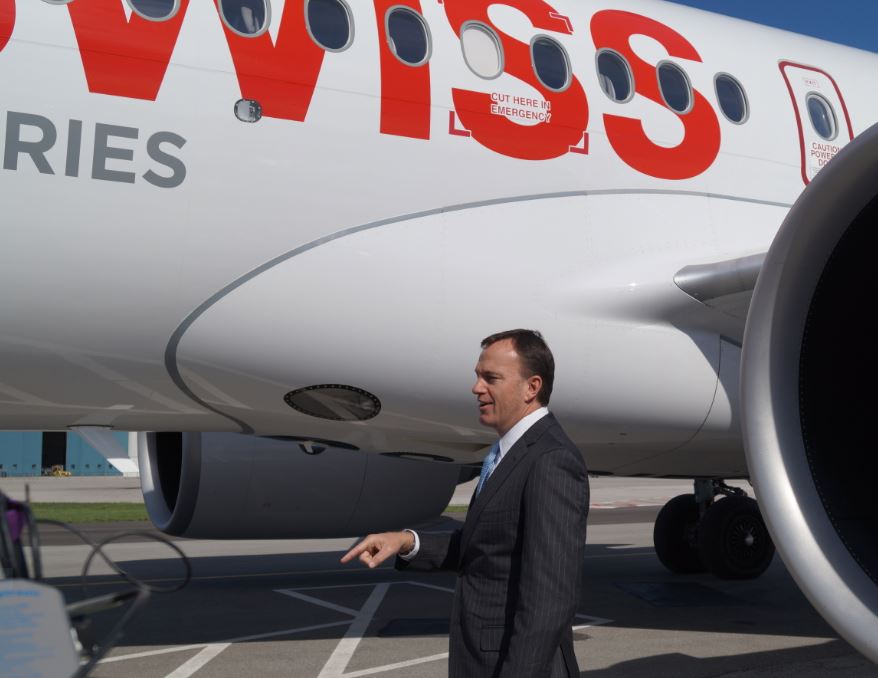
No new orders were announced Thursday but Fred Cromer (above), president of Bombardier Commercial Aircraft, was very optimistic.
“The momentum continues to grow,” he said.
All images are by the author.
25 Tuesday Aug 2015
Tags
Aviation, Beijing, Boeing, Business, China, China Current Market Outlook, News, Single-Aisle, Transport, Travel, Wide-body
 Even as China struggles with the slowest pace of economic growth in years, Boeing is forecasting that the country’s aircraft fleet will almost triple by 2034.
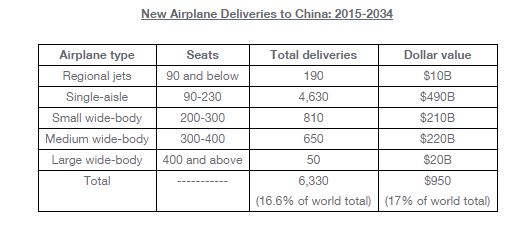
In its annual China Current Market Outlook released in Beijing on Tuesday, the American aircraft manufacturer projected a demand for 6,330 new airplanes worth $950 billion over the next 20 years.
“Despite the current volatility in China’s financial market, we see strong growth in the country’s aviation sector over the long term,” said Randy Tinseth, vice-president of marketing at Boeing Commercial Airplanes.
“Over the next 20 years, China’s commercial airplane fleet will nearly triple: from 2,570 airplanes in 2014 to 7,210 airplanes in 2034.”
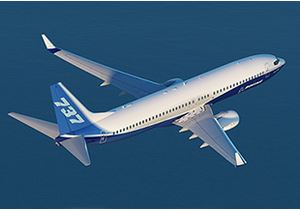 Boeing projected that the main growth would be in the single-aisle airplane (left) sector with a demand for 4,630 aircraft while the widebody (below) segment will require 1,510 new airplanes.
Boeing also noted that Chinese airlines have more than doubled their long-haul international capacity over the past three years.
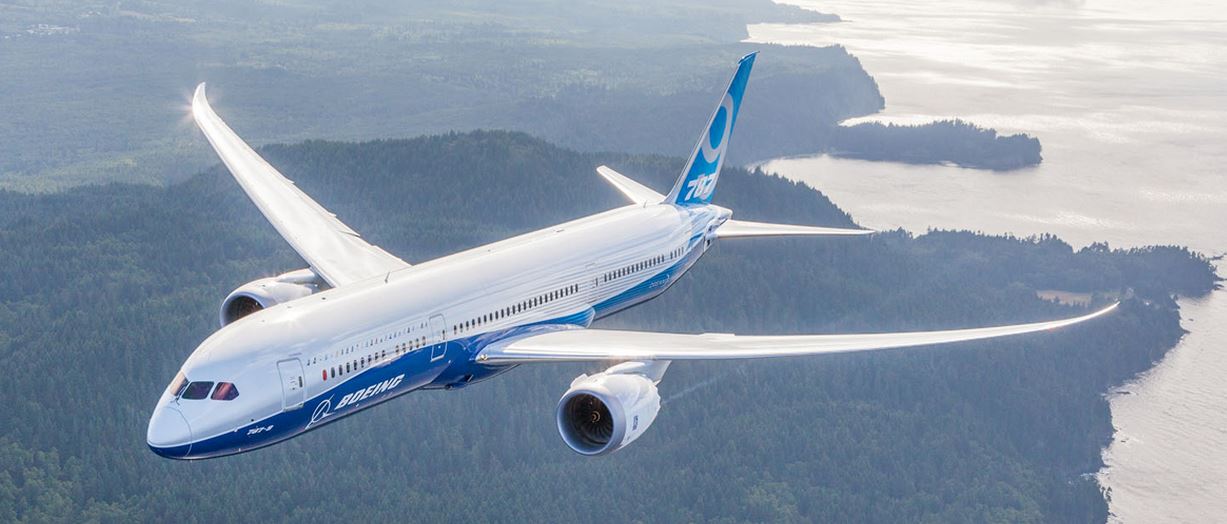 “Enabled by China’s growing middle-class population, new visa policies and the underlying strength of its economic growth, this expansion is expected to continue, and in fact accelerate,” Tinseth said.
Images are courtesy of Boeing.
20 Thursday Aug 2015
Tags
Aviation, Bosch, Business, Calicut, Cochin, Electricity, Environment, God's Own Country, India, Kannur, Kerala, Kochi, Kozhikode, News, Pollution, Solar Power, Tourism, Transport, Travel, Trivandrum

 Cochin International Airport (COK) in southern India was opened just 16 years ago. This week it is celebrating a major environmental milestone – it has become the world’s first fully solar-powered airport.
More than 46,000 solar panels laid across 45 acres are generating 12MW of power, enough to run the airport smoothly.
“Now, Cochin airport will have 50,000 to 60,000 units of electricity per day to be consumed for all its operational functions, which technically make the airport absolutely power neutral,” its operator, Cochin International Airport Ltd., said in a release.
CIAL has been a trendsetter since its launch in the late 1990s. Cochin is the first Indian airport to be built under a public-private partnership model.
 The company forecasts the project will help mitigate carbon emissions by more than 300,000 tonnes in the next 25 years. That is equivalent to planting three million trees, it said.
The busiest airport in Kerala state and the fourth largest in India, Cochin handled nearly seven million passengers in 2014-15.
The project was built by Bosch Energy and Building Solutions.
Images are courtesy of CIAL.
20 Monday Jul 2015
Tags
Austrian Airlines, Aviation, Business, Colombo, Dubai, Dubai Airports, Emirates, IATA, Lufthansa, Mauritius, Miami, News, Tourism, Transport, Travel, UAE, Vienna
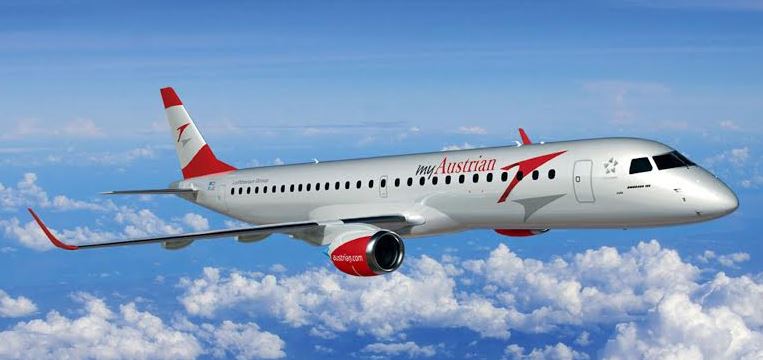 Dubai is a hot destination for many airlines, but not so for Austrian Airlines. Not anymore.
The Lufthansa subsidiary announced Monday it will stop offering direct flights from Vienna to Dubai as of September in the wake of intense competition and price wars.
“Unfortunately, the Vienna-Dubai route has become unsustainable for us,” said CCO Andreas Otto.
Austrian, which began flying to Dubai in 1996, said up to 800 seats per day were on offer on the Vienna-Dubai route.
The last Austrian flight to Dubai will be on Sept. 13, returning home next day.
“The capacities which will become available will be deployed for attractive, new destinations, such as Miami, Mauritius and Colombo starting in October,” Otto said.
The image is courtesy of Austrian Airlines.
07 Tuesday Jul 2015
Posted in Airports, ANA, Aviation, Boeing, Business, Centrair International Airport, Dreamliner, Japan Airlines, Museum, Nagoya, News, Technology, Tourism, Transport, Travel, ZA001
Tags
ANA, Aviation, Boeing, Business, Centrair International Airport, Dreamlifter, Dreamliner, Japan, Japan Airlines, Museum, Nagoya, News, Technology, Tourism, Transport, Travel, ZA001
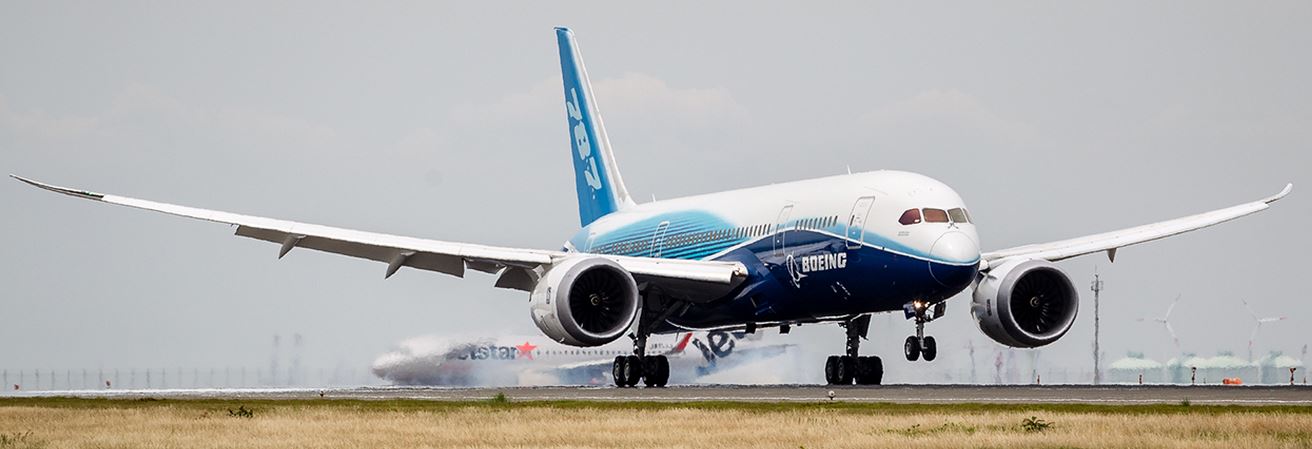 Several key parts of the Boeing 787 Dreamliner are made in Nagoya, the heart of Japan’s aerospace industry.
They are then flown from the city’s airport in a converted 747-400 freighter known as Dreamlifter to Boeing assembly plants in the United States.
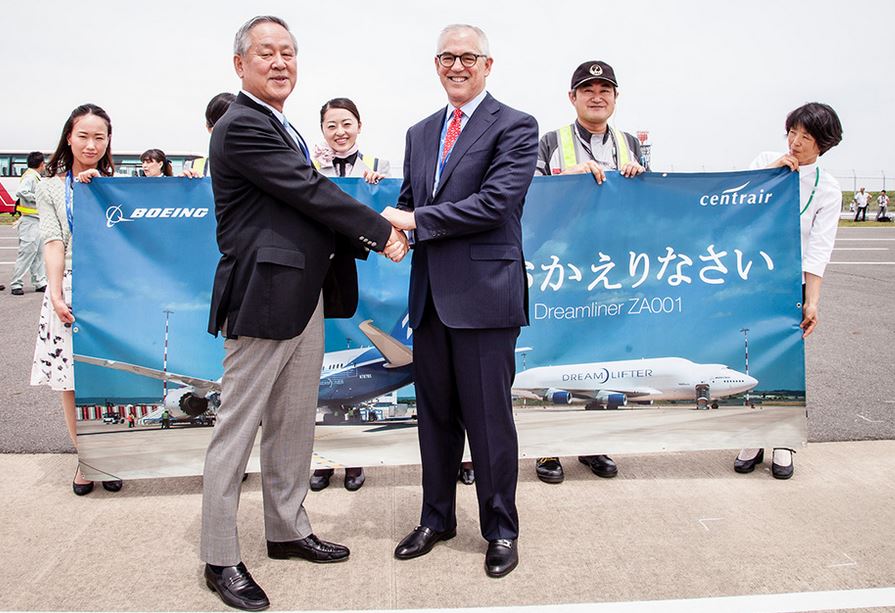 Today, Boeing rewarded the city for its contribution by donating the first 787-8 flight test aircraft to the Chubu Centrair International Airport.
Code-named ZA001, the airplane first flew on Dec. 15, 2009. It touched down in Nagoya on its last flight on June 22, 2015.
Many of its parts, including the main wing, forward fuselage and centre wing box, were manufactured in Nagoya.
“It is fitting that we bring Boeing’s first-ever 787 Dreamliner back home to Nagoya,” said George Maffeo, president of Boeing Japan.
“Many of our partners here spent countless hours to develop and produce the 787 Dreamliner’s airframe structure and Centrair was with us from the very start of the journey.”
He said the ZA001 had grown to symbolize the partnership between Boeing and Japan’s aerospace industry.
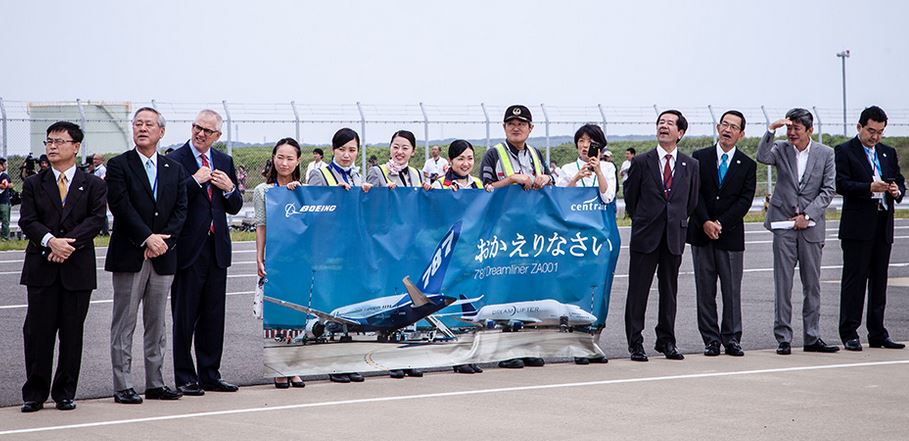
“We are honoured to be selected by Boeing to house the permanent display of the world’s first-ever 787 Dreamliner,” said Masanao Tomozoe, president and CEO, Central Japan International Airport Co., Ltd.
“This milestone will allow us to significantly contribute to the aerospace community as well as the Greater Nagoya region by spurring the imagination and interest of future aviation pioneers here in Japan.”
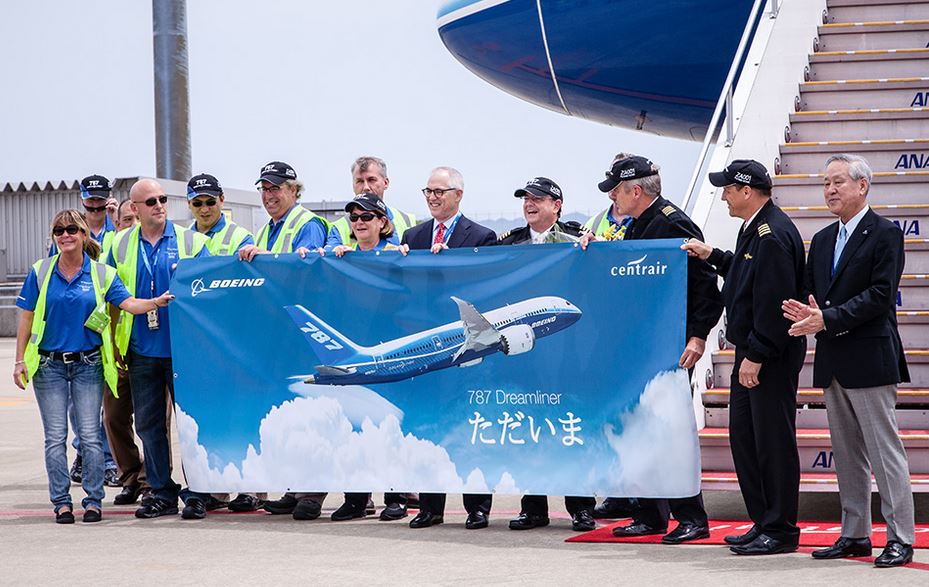 Located on a man-made island off the coast of Nagoya, Centrair is an international hub serving some 30 cities.
Boeing has now donated three of the six Dreamliner flight-test and certification program aircraft.
The ZA002 was presented to the Pima Air & Space Museum in Tucson, Ariz. and the ZA003 to the Museum of Flight in Seattle.
Images are courtesy of Boeing.
30 Tuesday Jun 2015
Posted in AerCap, Airbus, Airbus A350XWB, Aircraft, Aviation, Boeing, Business, Dreamliner, News, Paris Air Show, Tourism, Transport, Travel, Vietnam, Vietnam Airlines
Tags
Aviation, Boeing, Business, Dreamliner, News, Paris Air Show, Tourism, Transport, Travel, Vietnam, Vietnam Airlines
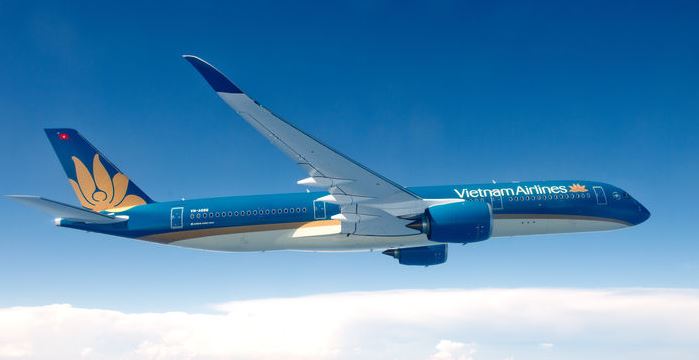 Vietnam Airlines has been in the news a lot in the past few weeks – all for good reasons.
The airline’s brand new Boeing 787 Dreamliner was one of the main attractions at this month’s Paris Air Show.
Today, the Vietnamese flag carrier has received its first Airbus A350 XWB (above) through a lease agreement with AerCap.
It will become the second airline in the world to operate the aircraft after Qatar Airways.
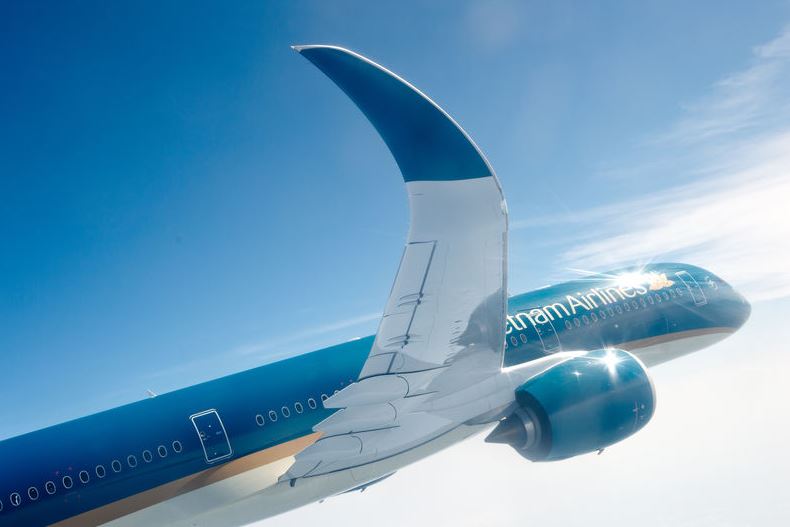 The A350-900 will be first used on a domestic route and then for regular non-stop service between Hanoi and Paris.
The aircraft is configured with a three-class layout, with 29 seats in Business Class, 45 in Premium Economy and 231 in Economy, Airbus said.
The airline already operates 59 Airbus aircraft — 49 A321s and 10 A330s. The new aircraft is one of the 14 A350s it has ordered.
“The arrival of the A350 XWB marks the start of a major upgrade of our long-haul fleet,” said Trinh Ngoc Thanh, executive vice-president of Vietnam Airlines.
“Combining the latest technologies, a wider cabin and the highest levels of comfort, the A350 XWB will enable us to fly our passengers in style whichever class of travel they choose.”
 In all, Vietnam Airlines has 90 aircraft and flies to more than 50 cities, including 21 international destinations.
Airbus has received 781 firm orders for the A350 XWB from 40 customers worldwide.
Images are courtesy of Airbus.
19 Friday Jun 2015
Posted in Aircraft, Aviation, Biodiesel, Biofuel, Boeing, Business, ecoDemonstrator 757, Environment, Masdar Institute, NASA, News, Transport, Travel, TUI Group
Tags
Aviation, Biodiesel, Biofuel, Boeing, Business, ecoDemonstrator 757, Environment, Masdar Institute, NASA, News, Transport, Travel, TUI Group
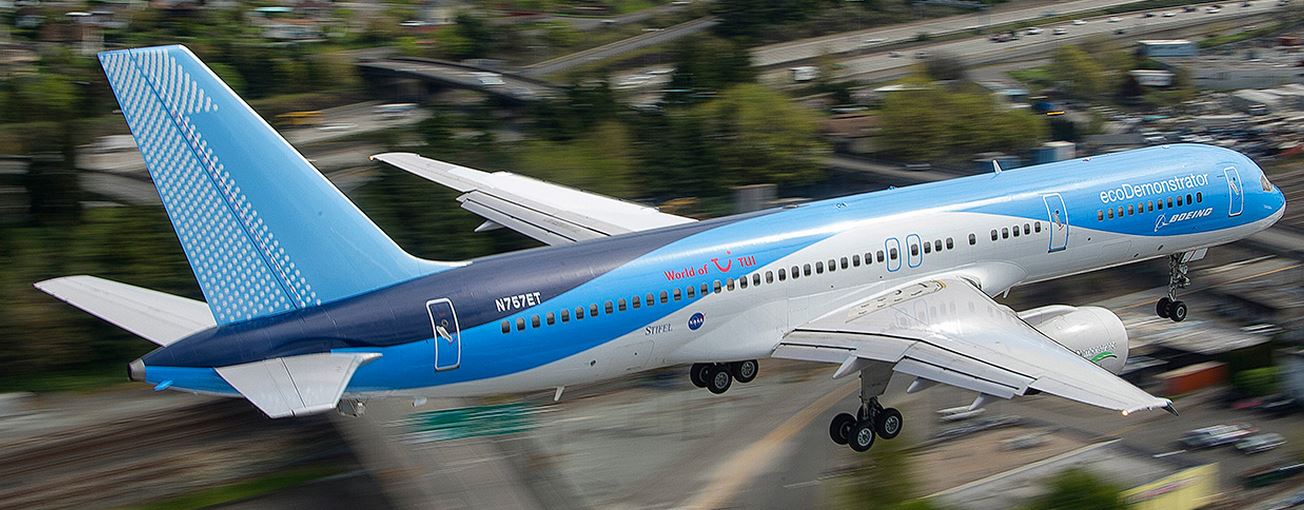 Boeing’s ecoDemonstrator 757 has made its first flight with U.S.-made “green diesel,” expanding the testing and use of technologies to improve aviation’s environmental performance, the company said Friday.
 The U.S. aircraft manufacturer said the 757 flew on June 17 from Seattle to NASA‘s Langley Research Center in Hampton, Va.
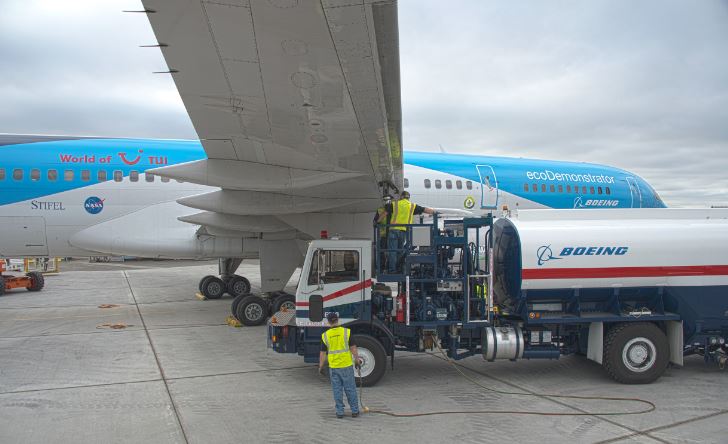
The aircraft used a blend of 95 per cent petroleum jet fuel and five per cent sustainable green diesel, a biofuel used in ground transportation, it said. Green diesel is a different fuel product than “biodiesel.”
Two new environment-related technologies were also used in the flight:
“With the ecoDemonstrator, Boeing looks to reduce environmental impact through the airplane’s lifecycle, from improving fuel efficiency and cutting carbon emissions to recycling production materials,” said Mike Sinnett, vice-president, product development at Boeing Commercial Airplanes.
“In addition to our new technologies, flying the ecoDemonstrator 757 with U.S.-made green diesel is another positive step toward reducing our industry’s use of fossil fuel.”
 Boeing said NASA and the TUI Group of Germany, the world’s largest integrated tourism company, were collaborating on the tests.
The ecoDemonstrator 787 made the first-ever flights with green diesel last December.
Since it was launched in 2011, the ecoDemonstrator Program has tested more than 50 technologies, with 737, 787 and 757 aircraft, Boeing said.
Boeing’s global initiatives to advance development of a sustainable aviation biofuel include a project in Abu Dhabi, United Arab Emirates, where it has partnered with the Masdar Institute of Science and Technology.
Images are courtesy of Boeing and TUI Group.
18 Thursday Jun 2015
Posted in Airbus, Aircraft, Aviation, Boeing, Bombardier, Business, CS300, CSeries, Le Bourget, News, Paris Air Show, Transport, Travel, Wizz Air
Tags
Aviation, Boeing, Bombardier, Business, CS300, CSeries, Le Bourget, News, Paris Air Show, Transport, Travel, Wizz Air
 Airbus has won firm orders for 124 aircraft worth more than $16 billion at the Paris Air Show, the European manufacturer announced in Le Bourget, France, on Thursday.
In addition, the company has also received commitments for 297 airplanes worth another $41 billion.
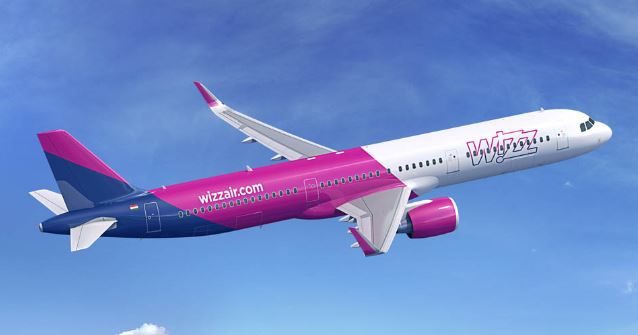 The final tally included a commitment by the Hungarian budget carrier Wizz Air to buy 110 Airbus A321neo (new engine option) aircraft.
“Our latest forecast for 32,600 planes in the next 20 years is being proved correct,” said Airbus CEO John Leahy.
“The orders and commitments at this year’s Paris Air Show demonstrate three things; Asia is powering the growth, we are leading in single-aisle and widebody and our A321neo is the aircraft of choice in the middle of the market.”
The Budapest-based Wizz Air is the largest low-cost carrier serving Eastern and Central Europe and operates an all-Airbus fleet.
“Thanks to our rapidly growing A320 fleet, we’ve become one of Europe’s leading carriers,” said Jozsef Varadi, CEO of Wizz Air.
Boeing, meanwhile, won orders and commitments for 331 aircraft worth just over $50 billion. That included a firm order from AerCap for 100 737 MAX 8s, valued at $10.7 billion, announced on the second day of the week-long show.
“Boeing is focused on execution and remains on track to deliver between 750 and 755 airplanes in 2015, a new industry record,” the American manufacturer said Thursday.
“Upcoming commercial development program milestones scheduled before the end of this year include factory rollout of the 737 MAX and firm configuration of the 777X.”
Canadian aircraft maker Bombardier, which debuted its brand new CS300 at the show, did not win any new orders for the single-aisle aircraft.
Images are courtesy of Airbus and Boeing.
17 Wednesday Jun 2015
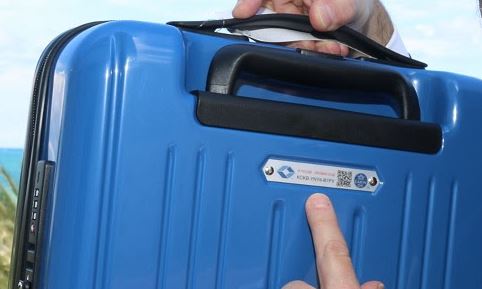 The group that represents airlines says it is pausing the rollout of its “Cabin OK” initiative for carry-on baggage in light of concerns expressed, primarily in North America.
The Geneva-based International Air Transport Association launched the initiative last week.
The plan offered passengers with a voluntary option to use a “Cabin OK” labelled bag (of 55 x 35 x 20 centimetres or 21.5 x 13.5 x 7.5 inches) that would be immediately recognizable as complying with the vast majority of airline maximum-size requirements for cabin baggage.
 Under the initiative, such bags would also be given a priority to remain in the cabin on full flights when cabin storage capacity is exceeded.
But the plan quickly backfired with several North American airlines openly opposing the idea.
“We need to get it right,” acknowledged Tom Windmuller, senior vice-president, airport, passenger, cargo and security for IATA.
“Today we are pausing the rollout and launching a comprehensive reassessment of the Cabin OK program with plans to further engage program participants, the rest of our members, and other key stakeholders,” he said in a release on Wednesday.
The group reiterated that “Cabin OK” is just a guideline for an optimally sized cabin bag, not an industry standard.
It also noted that “Cabin OK” does not seek to define a maximum size for carry-on bags, which is something each airline does individually.
“And no consumer will be forced into buying a new bag as a result of this voluntary initiative.”
IATA represents more than 260 airlines.
Image is courtesy of IATA.
17 Wednesday Jun 2015
Posted in Airbus, AirFlight, Airlines, Aviation, Business, Flight Tracking, Flightradar24, Flights, Le Bourget, News, Paris, Paris Air Show, Transport
Tags
Aviation, Business, Flight Tracking, Flightradar24, Flights, Le Bourget, News, Paris, Paris Air Show, Transport
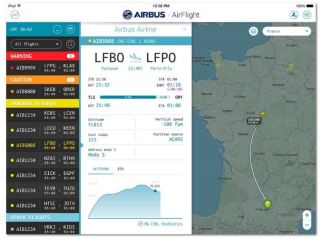 Airbus is launching a new flight-tracking platform called AirFlight, relying on data mainly from Flightradar24, a leading provider of real-time flight tracking.
The platform will be handled by Airbus ProSky, the air traffic management subsidiary of the European aircraft manufacturer.
The project was announced on Wednesday, the third day of the Paris Air Show in Le Bourget, France.
“Knowing precisely where aircraft are – and where and when they will be anywhere – brings major benefits to the entire aviation community,” said Sebastien Borel, Airbus ProSky general manager.
He said AirFlight would tackle three major items: provide flight tracking as required by the authorities, optimize airlines operations with statistical data on fuel, holding, and airport taxi situations, and provide a base for reliable information on airport demand and arrival time.
Following the disappearance of the Malaysia Airlines Flight MH370, the International Civil Aviation Organization has recommended the adoption of a new aircraft tracking standard from 2016.
Tracking image is courtesy of Airbus.
16 Tuesday Jun 2015
Posted in Airbus, Airbus Helicopters, Aircraft, Aviation, Business, Concept Aircraft, Le Bourget, News, Paris, Paris Air Show, Transport, Travel, X6
Tags
Aviation, Business, Concept Aircraft, Le Bourget, News, Paris, Paris Air Show, Transport, Travel, X6
 Airbus has announced plans for a new heavy-lift helicopter at the Paris Air Show.
With a concept phase of two years, the X6 (above) will be tailored for the civilian market, the European manufacturer said.
It will initially target oil and gas missions and will also be perfectly suited for search and rescue, VIP and other applications, it said.
“Major marketing, architecture and design choices for the twin-engine aircraft will be assessed to meet customer operational requirements during the concept phase,” Airbus said.
 “It will set new standards in the industry not only for design, but for its production strategy as well, as we will rely on the industrial capacities of our core countries, including the upcoming pillar in Poland,” said Guillaume Faury, president and CEO of Airbus Helicopters.
“Our objective is to bring to the market the most efficient helicopter solutions adapted for how our customers’ needs and the industry itself will evolve in the future.”
One of the major innovations to be integrated on the X6 is the fly-by-wire flight control system, the company said.
“Once adequate program maturity has been achieved in the concept phase, a subsequent development phase will follow, leading to an X6 entry into service anticipated in the 2020s,” the company said.
Image is courtesy of Airbus.
 The Air Dispatch