Tags
Aviation, Boom Supersonic, Business, FAA, News, Supersonic, Transport, Travel
WASHINGTON – The industry is welcoming a Federal Aviation Administration proposal to lift the ban on supersonic civilian flights in the U.S., with one executive declaring that that “the return of supersonic is inevitable” 23 years after the Concorde flew for the last time.
The FAA move was announced this week by U.S. Transportation Secretary Sean P. Duffy.
He said advances in supersonic technology will allow the next generation of aircraft to fly safely without producing a sonic boom.
“Restoring supersonic flight over land isn’t just about speed, it’s about unleashing American innovation and ushering in a Golden Age of Travel,” Duffy said.
The FAA noted in its proposal that current regulations prohibit civil aircraft from flying faster than the speed of sound over the U.S. unless they receive special authorization from the agency. The restriction is intended to protect the public from sonic booms.
Supersonic flight begins at Mach 1, or about 770 mph (1,240 km/h), significantly faster than the typical cruising speed of commercial airliners, which ranges from about 550 to 600 mph.
The FAA aims to finalize the rule by the middle of next year.
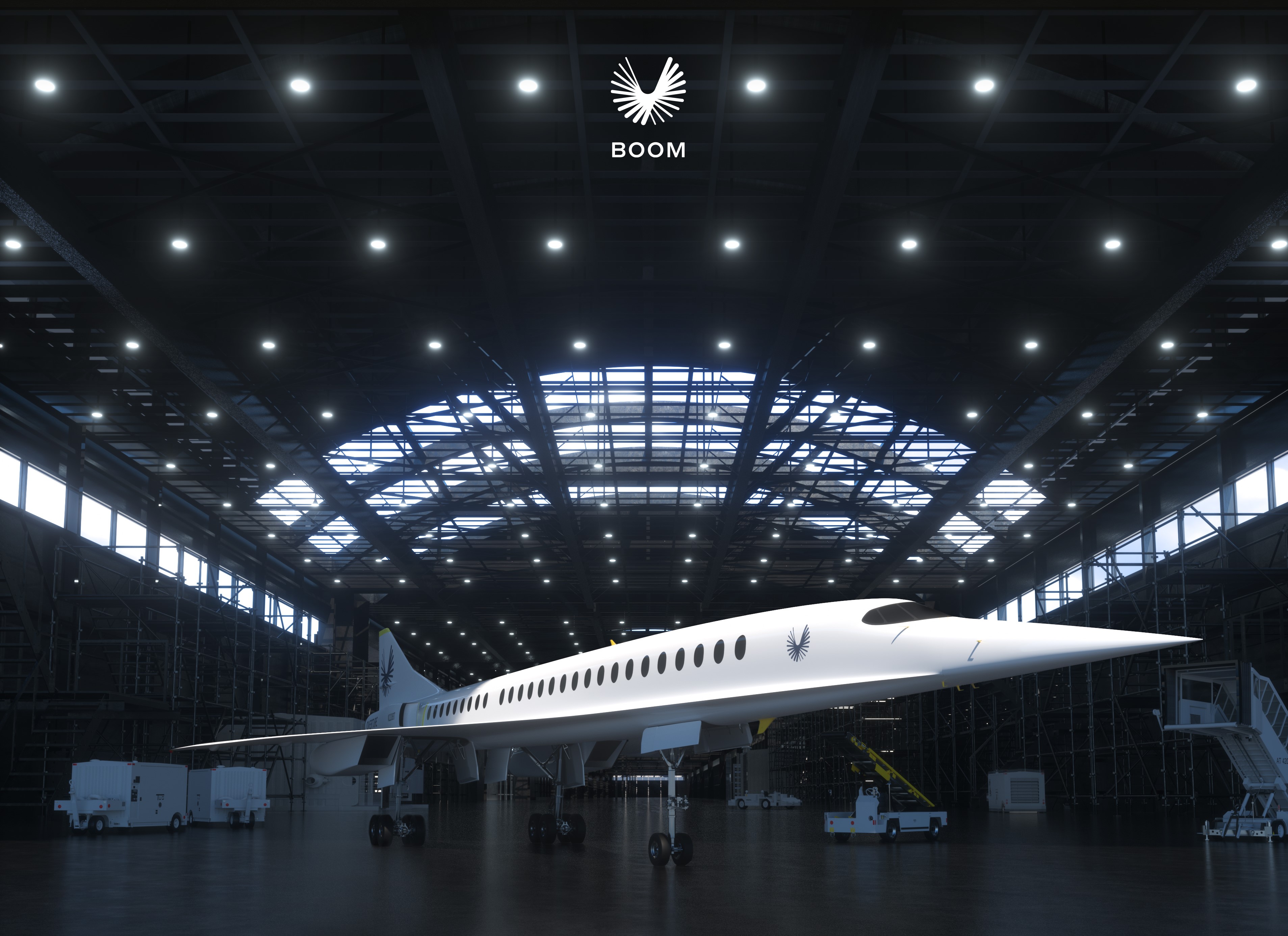
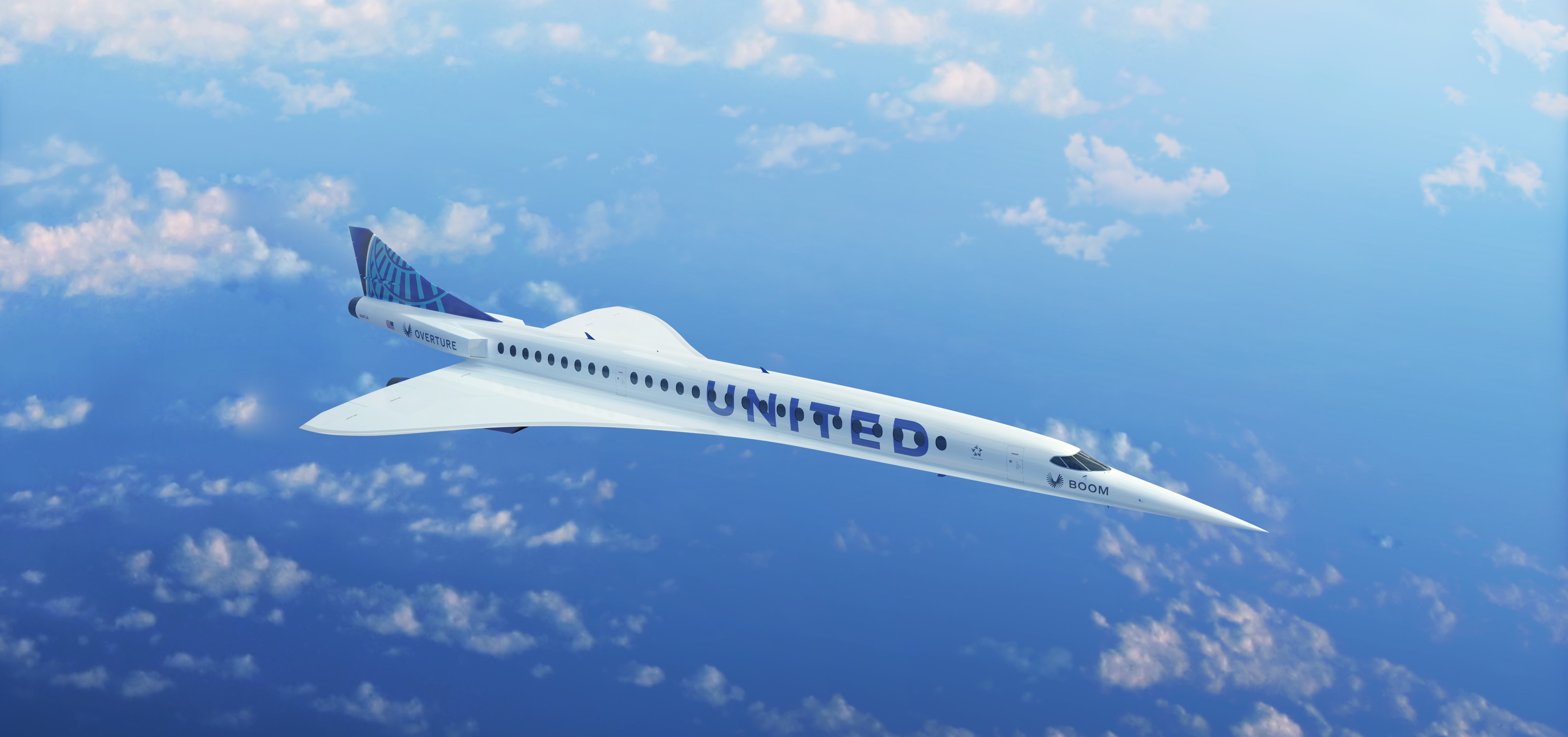
Blake Scholl, the founder and CEO of Boom Supersonic, which is developing a supersonic aircraft called Overture, quickly welcomed the government proposal.

“It’s time to get excited. The return of supersonic is inevitable,” Scholl wrote on LinkedIn.
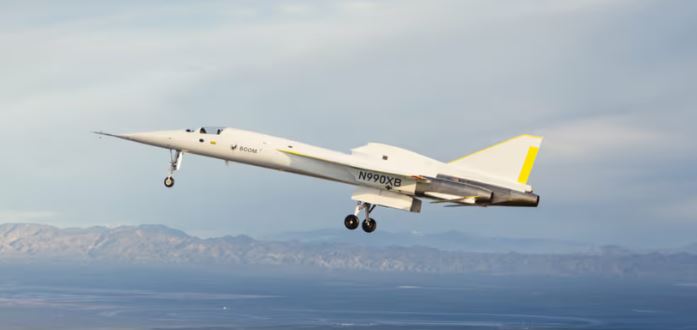
Boom’s demonstrator aircraft, the XB-1, made history in January 2025 by becoming the first independently developed civil aircraft to successfully break the sound barrier.
Scholl said the FAA had specifically cited the XB-1’s demonstration of the boomless supersonic flight.
The first Overture commercial flight is scheduled for 2029. Boom has won firm orders or options for the aircraft from United Airlines, American Airlines and Japan Airlines.
The previous supersonic aircraft, the Concorde, was operated by Air France and British Airways during 1976-2003. A British Airways Concorde made the final commercial flight from New York to London on Oct. 24, 2003.
Images are courtesy of Boom Supersonic and FAA.
 The Air Dispatch