Tags
Airbus, Aviation, climate-change, Emissions, energy, Environment, News, Sustainability, Transport, Travel
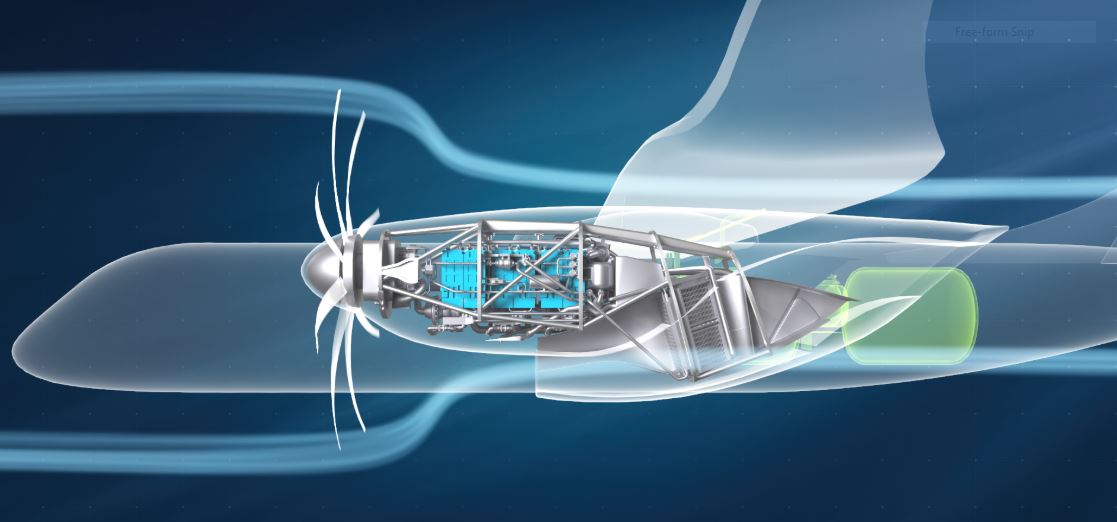
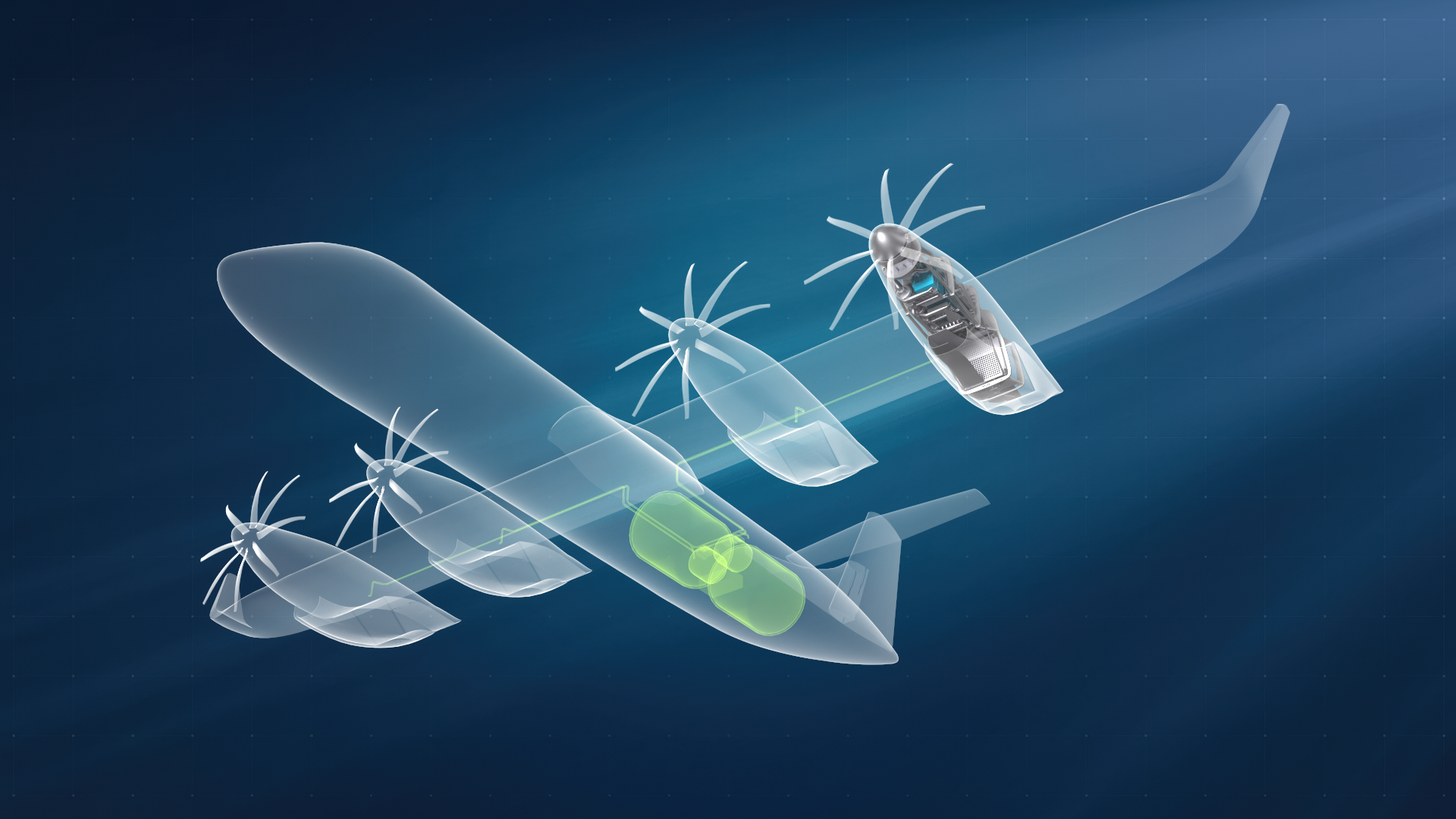
TOULOUSE, France – Airbus and MTU Aero Engines have formed a joint venture to develop and commercialize a fully electric hydrogen fuel cell propulsion system, the European aircraft manufacturer announced Tuesday, as the industry seeks to reduce its carbon emissions.
The agreement follows a Memorandum of Understanding the parties signed at the Paris Air Show last year, Airbus added.
The company has been pursuing a multi-pronged strategy to reduce aviation emissions through more fuel-efficient aircraft, greater use of sustainable aviation fuel, hydrogen propulsion, advanced aerodynamics and improved operational efficiency.
Commercial aviation generates about 2.5% of global carbon dioxide emissions, but its overall contribution to climate change is estimated at 3.5% to 4% when non-CO₂ effects such as contrails are taken into account.
The figures are based on a 2021 study published in Atmospheric Environment and cited by the Intergovernmental Panel on Climate Change.
“By establishing a dedicated and highly agile organizational set-up, the partners aim to accelerate technology development, design, testing and certification of a revolutionary propulsion system for aviation based on a hydrogen fuel cell,” Airbus said. “The new entity will be supported by Airbus and MTU with all their competences and through various engineering and manufacturing teams from both organizations.”
The joint venture is expected to start operations next year, although the deal is non-binding and subject to regulatory approvals, Airbus said.
Stefan Weber, senior vice president of engineering and technology at MTU, described the initiative as a key step toward developing the company’s first hydrogen-powered aircraft engine.
He said the project demonstrates Europe’s technological leadership in hydrogen propulsion and supports MTU’s ambition to establish a business spanning the entire fuel cell powertrain life cycle, from development and testing to certification and commercial deployment.
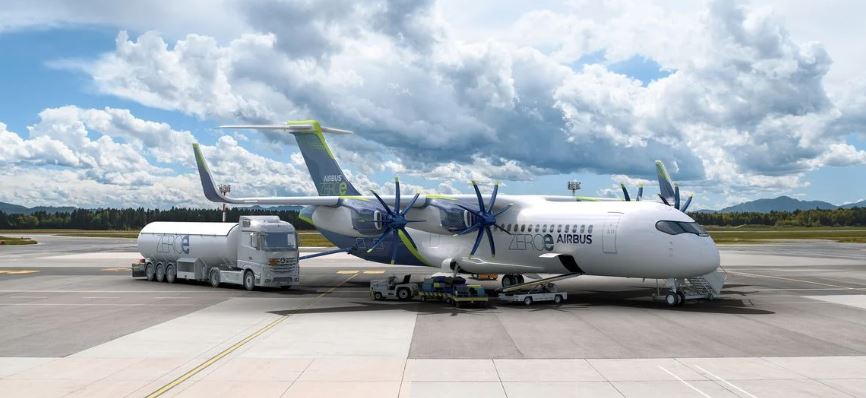
Hydrogen fuel cells generate electricity through an electrochemical reaction between hydrogen and oxygen, producing only water vapor as a by-product. The technology could eliminate inflight CO₂ and nitrogen oxide emissions.
Early last year, Airbus said it would focus its hydrogen research on a fully electric fuel cell propulsion system after prototype and powertrain testing validated the technology’s potential.
 The Air Dispatch